
periodic reset of civilizations @periodic_reset_ofcivilizations@gameliberty.club
- You're invited to talk on Matrix
- https://bit.ly/periodic-reset-of-civilizations
The mobile obeys the immobile.
#Evola #Traditionalism #Metaphysics #Initiation #Esotericism #JuliusEvola #SpiritualHierarchy #Transcendence
You're invited to talk on Matrix
https://bit.ly/periodic-reset-of-civilizations
Joined Jan 2020
Me:
USA: terminal proletarian decay—bourgeois massification & chthonic dissolution. Solar must dominate lunar or be consumed. MAGA: A Lunar resurgent. Capitalism=socialism=quantity over quality.
Some Lost soul:
"Communism." what about your enemy within?
Me:
Christianity is not welcome
The Lost soul:
Communist are responsible for 300 million deaths but hey the Christianity is bad 😏🖕
Me:
The lunar cults obscure the solar path of transcendence. Christianity is decadent, a dissolution of the heroic spirit. Communism extends this degradation, furthering weakness and collectivist subjugation. Only the solar, aristocratic principle leads to immortality—through discipline, hierarchy, and the triumph over the mortal condition.
Continue to beg for forgiveness
Lunar cults:
→Judaism←
Passover
Lunar Timing: Begins at the full moon (the first month of the Jewish religious year).
Key Theme: Freedom (Exodus)
Shavuot
Moon Phase: Near new moon.
Key Theme: Giving of the Torah.
(Jewish New Year)
Moon Phase: New moon.
Key Theme: Divine judgment.
(Day of Atonement)
Moon Phase: Waxing crescent.
Key Theme: Repentance.
Sukkot
Moon Phase: Full moon.
Key Theme: Wilderness wandering.
Shemini Atzeret & Simchat Torah
Moon Phase: Waning gibbous.
Key Theme: Torah celebration.
Purim
Moon Phase: Full moon.
Key Theme: Salvation.
→Islam←
(Month of Fasting)
Moon Phase: Begins/ends with new moon sighting.
Key Theme: Spiritual purification.
(Festival of Breaking the Fast)
Moon Phase: New moon.
Key Theme: Gratitude.
(Festival of Sacrifice)
Moon Phase: Waxing to full moon.
Key Theme: Sacrifice.
Islamic New Year
Moon Phase: New moon.
Key Theme: Hijra (migration) after persecution.
(Day of Atonement)
Moon Phase: Waxing crescent.
Key Theme:
Sunni: Fasting.
Shia: Mourning.
(Prophet’s Birthday)
Moon Phase: Waxing gibbous.
Key Theme: Reverence.
→Christianity←
Easter
Moon Phase: First Sunday after the first full moon following the vernal equinox.
Key Theme: Resurrection.
Good Friday
Moon Phase: Friday before Easter (full moon phase).
Key Theme: Crucifixion.
Pentecost
Moon Phase: 50 days after Easter (near new moon).
Key Theme: Birth of the Church.
Ash Wednesday
Moon Phase: 46 days before Easter (waxing crescent).
Key Theme: Repentance.
Ascension Day
Moon Phase: 40 days after Easter (waning gibbous).
Key Theme: Christ's ascension.
(Nativity)
Moon Phase: Fixed on December 25 (solar calendar; no lunar link).
Key Theme: Incarnation. The celebration of Christmas dates back to the 4th century. First recorded celebration of Christmas on December 25 was in Rome in 336 AD, during the reign of Emperor Constantine, the date to coincide with:
- The Roman festival of Saturnalia (a pagan winter solstice celebration).
- Dies Natalis Solis Invicti ("Birthday of the Unconquered Sun"), a Roman sun god festival on December 25.
- Symbolically linking Jesus as the "Light of the World" with the return of longer days after the solstice.
Official Adoption & Spread: Pope Julius I (350 AD) formally endorsed December 25 as the date of Christ’s birth.
Adopt a pagan festival, Christians, that does not make you a solar people!
And for those lunar people who still attempt to infiltrate—no, Sunday is not the day of your idol:
The names of the days of the week in many languages, including English, have roots in pagan antiquity, particularly from Roman, Norse, and Germanic traditions. Here's a breakdown of the origins of the English day names:
Sunday: Named after the Sun. In Latin, it was "Dies Solis" (Day of the Sun), reflecting the Roman practice of dedicating days to celestial bodies.
Monday: Named after the Moon. In Latin, it was "Dies Lunae" (Day of the Moon).
Tuesday: Named after the Norse god Tyr (or Tiw in Old English), a god associated with war and combat. In Latin, it was "Dies Martis" (Day of Mars, the Roman god of war).
Wednesday: Named after the Norse god Odin (or Woden in Old English), the chief god in Norse mythology. In Latin, it was "Dies Mercurii" (Day of Mercury, the Roman messenger god).
Thursday: Named after the Norse god Thor, the god of thunder. In Latin, it was "Dies Jovis" (Day of Jupiter, the Roman king of the gods).
Friday: Named after the Norse goddess Frigg (or Freyja in some interpretations), the goddess of love and fertility. In Latin, it was "Dies Veneris" (Day of Venus, the Roman goddess of love).
Saturday: Named after Saturn, the Roman god of agriculture and time. In Latin, it was "Dies Saturni" (Day of Saturn).
These names were adopted and adapted by various cultures over time, blending Roman and Germanic influences. The seven-day week itself has ancient origins, with roots in Babylonian astronomy, where each day was associated with one of the seven classical planets (Sun, Moon, Mars, Mercury, Jupiter, Venus, and Saturn). This system was later adopted by the Romans and spread throughout Europe.
Title: The Lunar Degeneracy of Abrahamic Cults
Tags: #Abrahamic #Lunar #LunarReligions #AbrahamicCults #Pagan #Paganism
1. Lunar = Feminine, Chaotic – Moon-worship signifies dissolution, materialism, and surrender to fate—antithetical to the Solar-Uranian spirit.
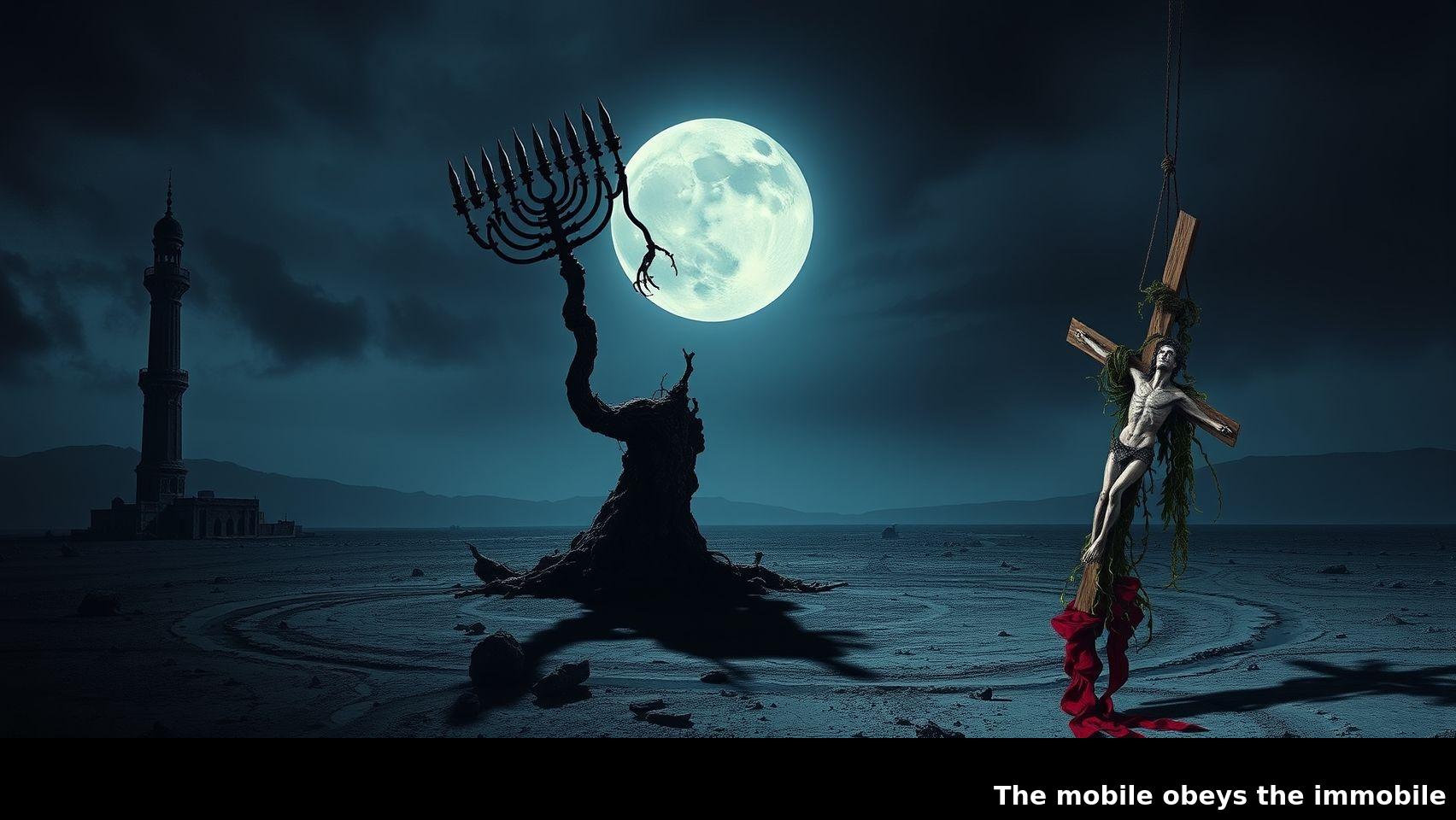
2. Lunar Subversion – Judaism, Islam, and Christianity are rooted in lunar calendar, reflecting their deviation from the pure solar symbolism of higher civilizations.
3. Christianity’s Pagan Veneer – Christmas superficially mimics solar cults but remains hostage to Jewish lunar eschatology (e.g., Passover-derived Easter).
4. Christian Easter’s Lunar Dependency – The resurrection myth tied to the moon.
5. Purim & Carnival – Degenerate lunar festivals of inversion, celebrating chaos over cosmic order.
6. Yom Kippur & Ramadan – Ascetic, guilt-ridden lunar rites, antithetical to the heroic solar ethos.
7. Islam’s Nomadic Lunar Slavery – Ramadan, Eid, and the Islamic calendar enforce lunar fixation, reflecting a desert-bound, anti-transcendent worldview.
8. Lunar Morality – Abrahamic "repentance" and "judgment" reflect slave morality, not the solar warrior’s self-overcoming.
9. Days of the Week: Pagan, Not Abrahamic – Sunday (Sol) and Monday (Luna) prove Europe’s pre-Christian solar roots, later corrupted by Levantine lunar cults.
10. Anti-Solar Essence – These cults reject the sun as a divine masculine symbol, replacing it with lunar passivity and priestly obscurantism.
Conclusion: Only the solar principle embodies transcendence—Abrahamism is lunar decline.
"Where the Moon rules, the Spirit dies."
Metaphysical part:
The Doctrine of the Two Deaths in Plutarch’s Lunar Symbolism
Plutarch’s On the Face that Appears in the Orb of the Moon presents a tripartite division of man: body, soul (psyche), and spirit (nous). The soul encompasses the emotional and intellective faculties of ordinary existence, while the nous represents the transcendent, suprapersonal principle—rarely manifest in common life. The soul is lunar in nature, whereas the nous is solar and uranic.
According to this doctrine, man undergoes two deaths. The first is earthly, occurring when the body separates from soul and spirit, returning to Demeter’s chthonic realm. The second death takes place in the lunar sphere under Persephone’s sign, where the soul detaches from the nous and dissolves into the cosmic life-substance—the root of mortal existence bound to the cycle of rebirth (piti-yāna). This aligns with Hindu teachings, where liberation (devayana) transcends the lunar realm, while those bound to rebirth remain in the "seat of the moon."
The soul’s reabsorption may be delayed if earthly passions persist, prolonging a dreamlike posthumous state. For those destined only for the second death, this extension grants temporary individuality. But for the nous, such delay is an obstruction—liberation (rebirth above) requires complete detachment from the soul. The purified nous ascends beyond the lunar sphere of mutability and integrates with the solar principle. Plutarch designates these liberated beings as the "victors," worthy of the initiates’ crown.
The distinction between soul and spirit, essential to traditional esotericism, was rejected by Catholicism, which reduced man to a body-soul duality. Yet early Church Fathers and even Saint Paul acknowledged this tripartite division. Without it, the Catholic concept of "purgatory" loses meaning—this intermediate state serves only as a catharsis for residual soul-elements hindering the nous’s ascent.
The failure to separate soul from spirit leads to dangerous conflations: sentimentalism replaces transcendence, and the soul’s mortality is falsely denied. This error pervades Christian mysticism, obscuring the true supranatural order with emotional and psychic distortions.
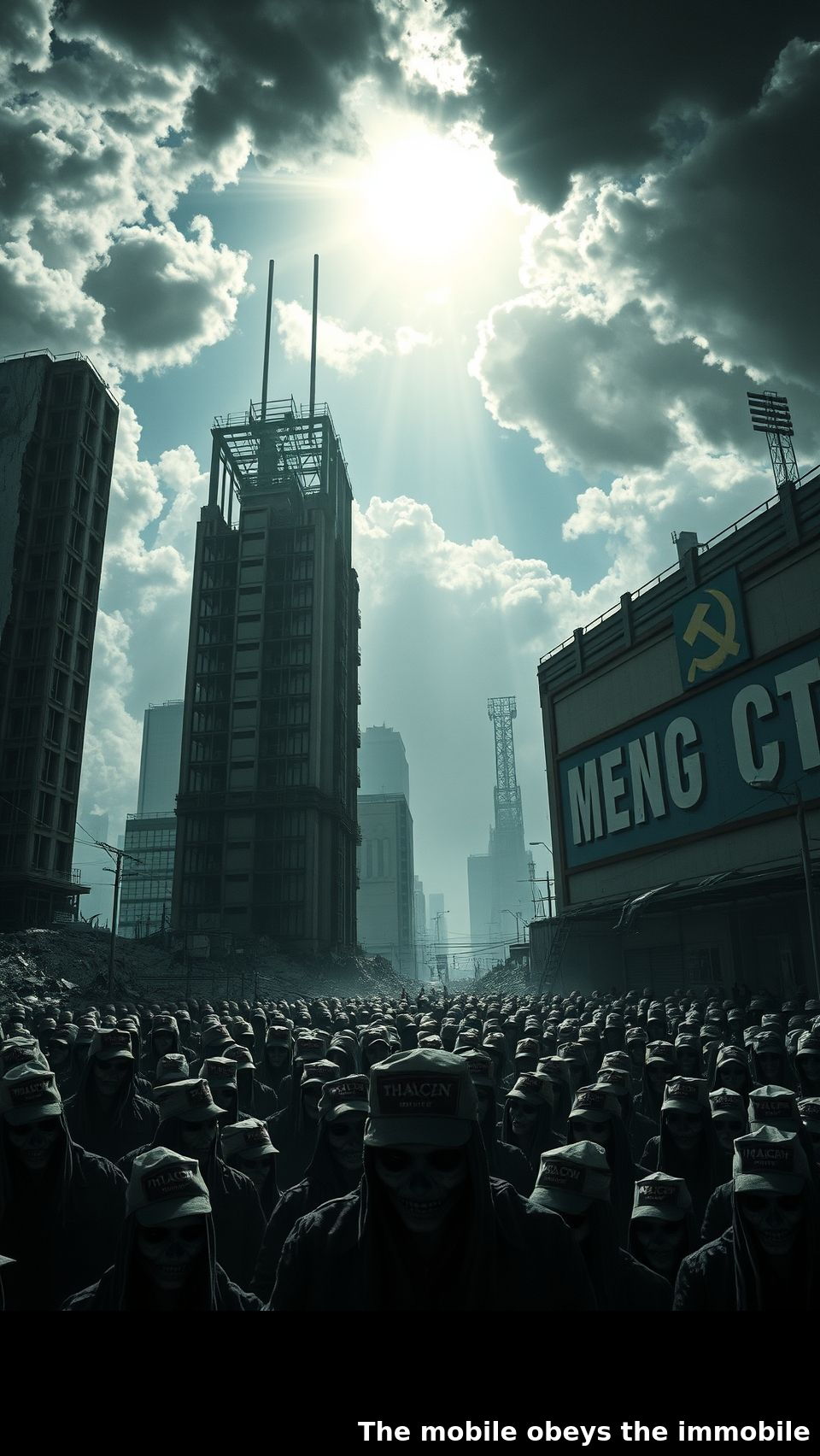
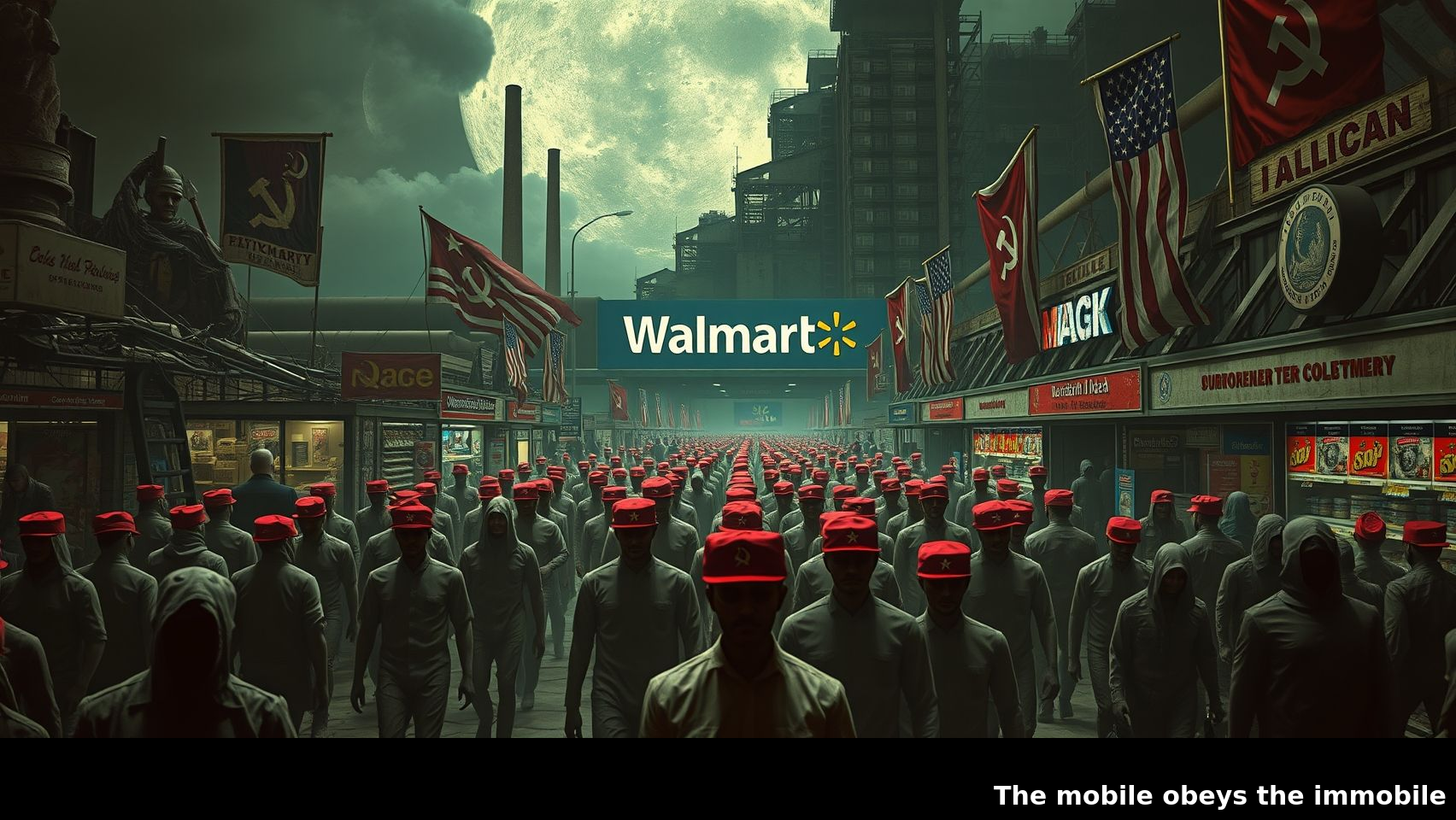
USA: terminal proletarian decay—bourgeois massification & chthonic dissolution. Solar must dominate lunar or be consumed. MAGA: A Lunar resurgent. Capitalism=socialism=quantity over quality. #Ghibelli #Evola #SolarPath #AntiLunar #Tradition
Alchemy as spiritual ascent: the Rebis embodies the Hermetic androgyne, transcending duality through the union of solar and lunar principles—lead to gold, matter to spirit. #Rebis #Hermeticism #Tradition #Evola
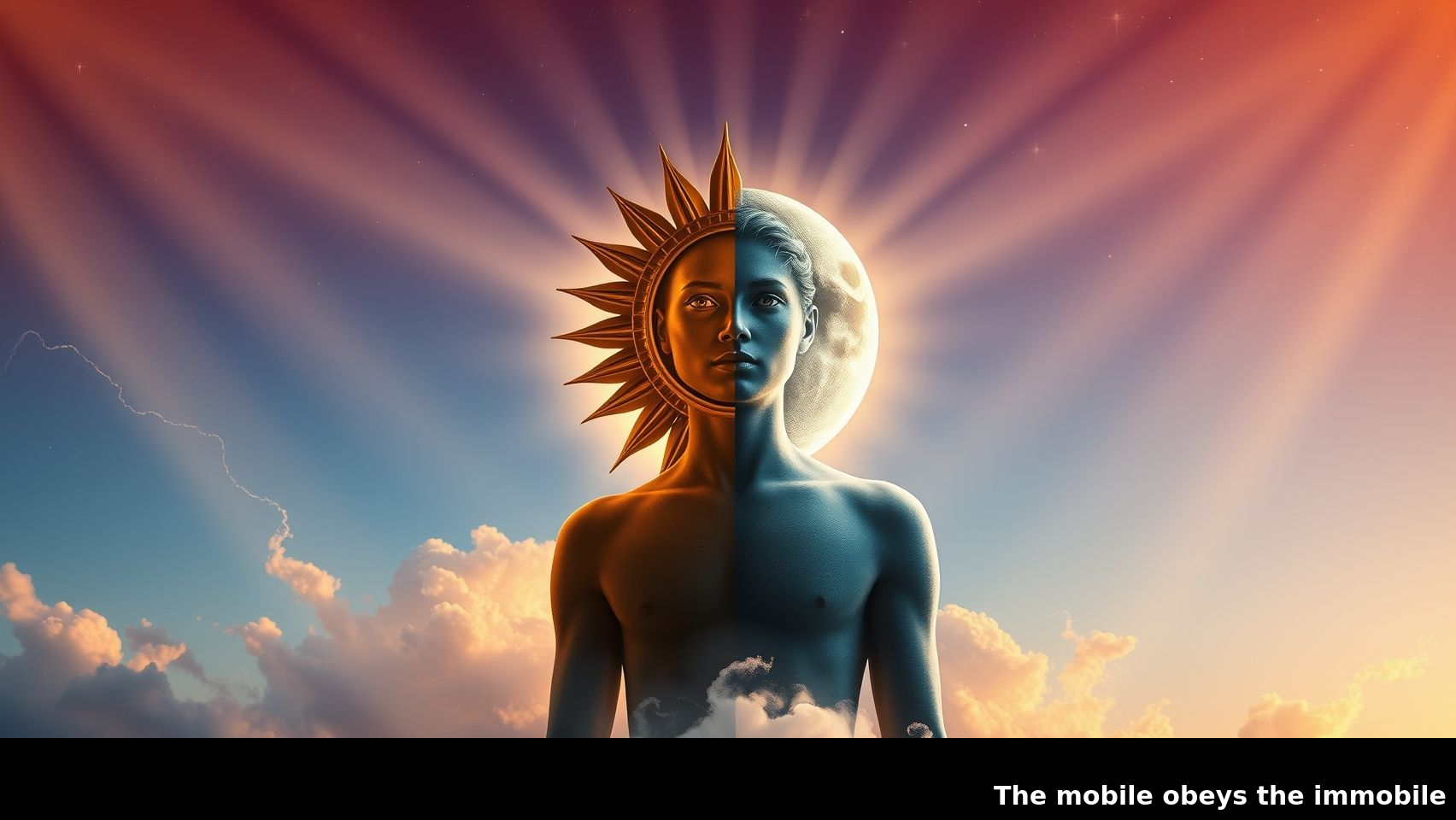
Through the magick of the image, the awakened one commands reality—timeless, swift, sovereign. The mind, freed from the brain’s chains, acts as pure will: imago is imo ago. Fix the fleeting, slay desire, and the world bends. #Tradition #Magic #Hyperborean
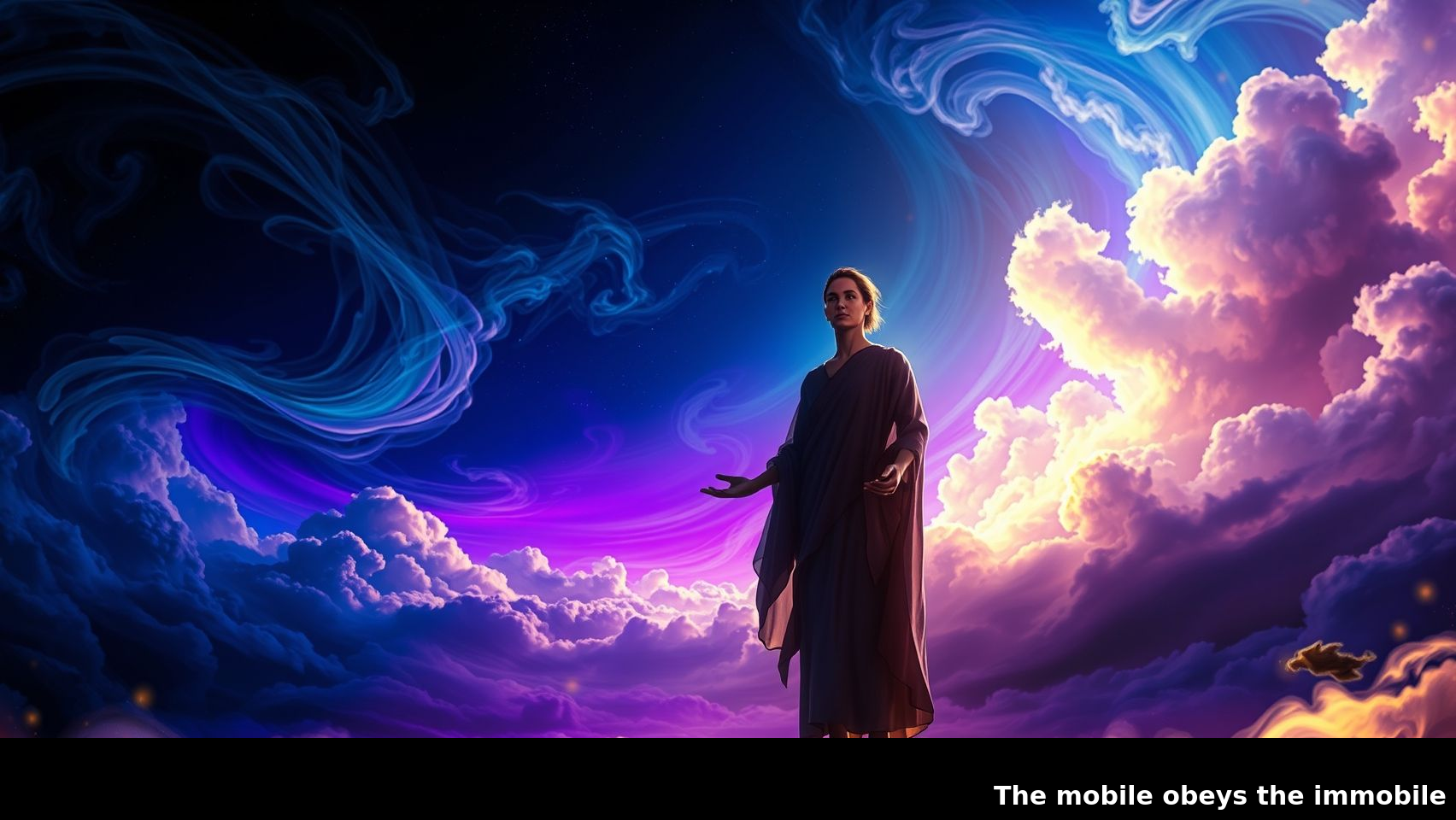
Magic is the ars regia-virile, sovereign, beyond good & evil. Power obeys the centered, not the seeker. The magus is no longer man; he is the axis. #Evola #Tradition #Magic #Initiation
The Royal Art of Magic: 10 Forbidden Truths About Power
Title: The Magical Path: Power, Initiation, and the Regal Tradition
Tags: #Tradition #Magic #Initiation #Power #Evola
1. Magic as Superior Science – True magic transcends vulgar occultism, aligning with the ars regia—the royal art of spiritual dominion. It is not mere psychic manipulation but a path to primordial reintegration.
2. Spiritual Virility – The magus embodies spiritual masculinity: dominance, sovereignty, and detachment. Unlike passive mysticism, magic demands active mastery over forces, both inner and outer.
3. Power Attracts the Centered – Power seeks the initiate who has become an immovable axis—not the one who craves it. Desire for power scatters it; impassibility magnetizes it.
4. Dangers of the Powers – Powers are perilous. If the initiate’s inner resolve wavers, they consume him. Mastery requires unbroken tension—like a pillar unmoved by torrents.
5. Rejection of Powers is Absurd – Powers are intrinsic to the initiate’s metaphysical state, like nirvana. One does not "renounce" them—they are the chrism of his being.
6. The Misunderstood Magus – The profane imagines a magus as an ordinary man with added "powers." In truth, the magus is a different order of being—his desires and interests are transfigured.
7. Magic vs. Technology – Modern technology mimics low magic: automatic, externalized effects. True magic is causal evidence, an emanation of the initiate’s unified being.
8. The Heroic and Regal Path – Magic aligns with the warrior-initiate tradition, not priestly contemplation. The "hero" (Hesiod’s demi-god) reclaims the divine state through action.
9. The Trial of Active Identity – Some traditions (e.g., Islamic esotericism, the Bhagavad Gita) teach that mastery over action is the test—transcending ecstatic passivity for sovereign manifestation.
10. Beyond Good and Evil – The adept’s actions stem from the invariable middle—neither "good" nor "evil," but from the center, where opposites dissolve in the impersonal will.
"Power is feminine: she obeys only him who does not seek her."
On Magic and Its Powers
The term "magic" must be clarified beyond modern distortions—whether vulgar Anglo-Saxon pursuits of "personal magnetism" or the degraded forms of ancient ritualistic magic, which often amounted to mere manipulation of subtle forces for practical ends. However, limiting magic to these inferior expressions is shortsighted.
True magic aligns with higher initiatic traditions. The Persian Magi, for instance, were not mere sorcerers but bearers of a sacred science linked to power (mögen in Germanic roots). Even Christianity, while condemning "accursed" magic, retained the term magi for the three exalted figures at Christ’s birth—symbols of initiatic dignity. Renaissance Hermeticists like Cesare della Riviera spoke of magic as the art of restoring the primordial state, reopening the path to the "Tree of Life." This is high magic, distinct from ceremonial theurgy or lower psychic operations.
Magic, in its pure form, is the ars regia—the royal art of spiritual dominion. It is experimental, active, and virile, opposed to passive mysticism or priestly mediation. The magus embodies the regal tradition, which surpasses the priestly in its direct connection to the divine. Ancient kings—Egyptian pharaohs, Roman pontifices maximi, Persian and Japanese emperors—were not mere rulers but living symbols of transcendent authority. The usurpation of such titles by priestly castes (as in Catholicism) marks a decline.
The magus does not seek power; power seeks him, drawn to his centered being, his impassible dominance. Power is feminine, requiring a masculine principle to command it. But this mastery is perilous: failure of inner resolve means being consumed by the very forces one sought to wield.
Powers are not toys for profane desires. The true magus is fundamentally different from ordinary men—his being transformed, his interests elevated beyond petty ambitions. What the vulgar mind imagines as "magical power" (wands, spells, instant effects) is a caricature. Real magic operates from a state of absolute knowledge-causality, where act and will are one.
Yet magical operations can serve as initiatic training—a "sport" of the spirit, forging discipline and control. Beyond this, the adept who has realized his essence may act impersonally, beyond good and evil, as an instrument of the "Center." Such actions transcend human motives, reflecting the invariable middle where all oppositions dissolve.
Key Principles of Magical Power
1. Power Seeks the Worthy – Not pursued, but attracted by one who embodies centrality, hardness, and renunciation. Desire for power repels it; impassibility commands it.
2. The Danger of Powers – A lapse in resolve turns power against the wielder, reducing him below his former state.
3. Rejection of Powers is Absurd – Powers are intrinsic to initiatic dignity, like nirvana to the awakened. One may refrain from using them, but not "reject" their essence.
4. The Magus is Transformed – The possessor of true power is no longer an ordinary man; his desires align with his being, rendering vulgar ambitions meaningless.
5. Magic is Not Miraculous – True magic is causal, evident, and conscious—unlike the mechanical "wonders" of degenerate or technological pseudo-magic.
6. Magic as Initiatic Training – Lower operations can serve as discipline, but fixation on contingent effects is a deviation. The highest magic is action from the "Center," beyond duality.
The regal and magical path is one of virile spirituality, opposed to priestly passivity. It restores the primordial tradition—where the king was god, the magus was sovereign, and power was the natural attribute of the awakened Self.
Modern Nationalism is a Hollow Shell—Here’s Why
A Nationalist ghoul:
"The term 'nation' is linked to the concept of birth. Perhaps if these individuals were born in that place and existed in substantial numbers, such a claim could be justified. However, if they were not born there, there would be no basis for calling it a nation. The Latin root of 'nation' is 'natus,' meaning birth."
Me:
The modern "nation" is but an empty shell, a lifeless form devoid of the transcendent principle that alone grants it meaning. Only the interior dimension holds significance—the race of the spirit, the eternal Tradition that stands beyond all temporal contingencies. Blood and soil possess no intrinsic value except through their connection to the supramundane.
You, who remain bound by the residues of dualistic thought, fail to comprehend: the external is nothing but a reflection of the internal. All distinctions dissolve in the realization of the One—there is no paradox, for separation is illusion. Only the principle is real.
Julius Evola critiques modern nationalism as a degraded, materialistic phenomenon devoid of any transcendent or spiritual foundation. In his view, true nationalism must be rooted in a higher, aristocratic principle—an organic unity of people bound by tradition, hierarchy, and sacred authority, rather than mere secular or collectivist impulses.
Evola distinguishes between:
1. Traditional, Superior Nationalism – An expression of a people’s spiritual and imperial vocation, aligned with the sacred and hierarchical order (e.g., the Roman Imperium, medieval monarchies).
2. Modern, Degenerate Nationalism – A materialistic, mass-driven ideology based on race, economics, or democratic populism, lacking any higher principle.
What remains in nationalism "devoid of superior elements" is:
- Collectivism – The reduction of the nation to a mere aggregate of individuals without spiritual unity.
- Materialism – An emphasis on territorial, economic, or biological factors (e.g., racial nationalism without a sacred dimension).
- Demagoguery – The replacement of organic leadership with populist or totalitarian manipulation.
For Evola, such nationalism is a hollow shell, a symptom of decline in the Kali Yuga, where true sovereignty (symbolized by the Kshatriya or king-priest ideal) has been replaced by profane, horizontal solidarity.
Metaphysical part:
Title: The Supramundane Nation: Blood, Soil, and the Spiritual Hierarchy
Tags: #Nationalism #FalseNationalism #TrueNationalism #PseudoNationalism #Tradition #SpiritualRace #GhibellineImperium #AntiModern
1. Historical Degeneration: The modern world reflects a collapse from higher castes (sacred kings, warriors) to lower castes (merchants, masses), marking a regression into collectivism and materialism.
2. False Nationalism: Degenerate nationalism reduces the nation to a collective idol, demanding subservience to ethnic or racial identity, suppressing superior individualism.
3.Soviet & American Barbarism: Bolshevism revives primitive Slavic collectivism, while America embodies mechanized materialism—both converge in destroying spiritual hierarchy.
4. True Nationalism as Prelude: A restorative nationalism must reverse the fall, serving as a foundation for aristocratic rebirth, not an end in itself.
5. Hierarchy of Values: Superior culture demands the primacy of spiritual and warrior elites over economic and vital forces—rejecting pragmatism and utilitarianism.
6. Lagarde’s Principle: The "national" is a stepping stone—true value lies in the personal, the aristocratic individual who transcends blood-and-soil determinism.
7. Aristocratic Restoration: A warrior caste must emerge, embodying honor, loyalty, and leadership, to elevate the nation beyond democratic decay.
8. Beyond the Nation: The ultimate goal is a supranational spiritual unity (for example, Medieval Christendom, Roman Imperium), where elites transcend ethnic divisions.
9. Anti-Internationalism: Universalism must reject egalitarian humanitarianism, preserving ethnic distinctions while uniting through higher cultural principles.
10. The Choice: Nationalism is either a terminal phase of collectivist decay or the first step toward Traditional rebirth—depending on its direction.
Universality and Centralism
The Holy Roman Empire’s ideal reveals the decay of rulership (regere) when severed from its spiritual foundation. The Ghibelline conception upheld two principles: the regnum’s supernatural origin and metapolitical universality, and the emperor as lex animata in terris—a transcendent unity (aliquod unum quod non est pars) standing above the nations he governed. The Empire was not merely a material aggregation but a higher, spiritual order.
This universal function did not depend on brute force but on fides—a sacramental bond of loyalty that unified feudal communities without erasing their autonomy. True hierarchy permits both order and freedom, unlike modern centralizing states, which impose uniformity through coercion, reducing organic unity to mechanistic control.
Traditional civilizations—particularly Aryan societies—embodied pluralism within unity: families, clans, and gentes retained self-sufficiency in law, cult, and militia while adhering to a higher spiritual order. The Frankish model exemplified this, where nobility dispersed yet remained immaterially connected to the imperial center, like a nervous system within an organism. The Far Eastern tradition similarly emphasizes the ruler’s detachment—remaining at the spiritual hub while peripheral forces self-regulate, achieving order through invisible harmony.
Conversely, modern "empires" are mere bureaucratic or militaristic hypertrophies, devoid of transcendent authority. Authentic empire requires a race to overcome its naturalistic limitations, embodying a principle that unifies other peoples not by force but by elevating their latent potential. Without this spiritual foundation, imperialism degenerates into violent domination, a cancerous growth rather than an organic unity.
The secularization of rulership—divorced from sacred authority—leads to absolutism, which inevitably collapses into demagogic tyranny. This pattern repeats in history: Greek tyrannies supplanting aristocratic rule, Byzantine decadence, and modern totalitarianism. The Church, by denying the sacred nature of kingship (as in the Investiture Controversy), accelerated this decline, reducing the state to a temporal, popular construct. Thomism’s attempt to reconcile Church and state failed because Christianity’s lunar, passive spirituality cannot integrate the solar, virile principle of true imperium.
Frederick II was right: true freedom lies in obedience to a higher spiritual authority (the Empire), whereas submission to the Church—a foreign, sacerdotal power—is enslavement.
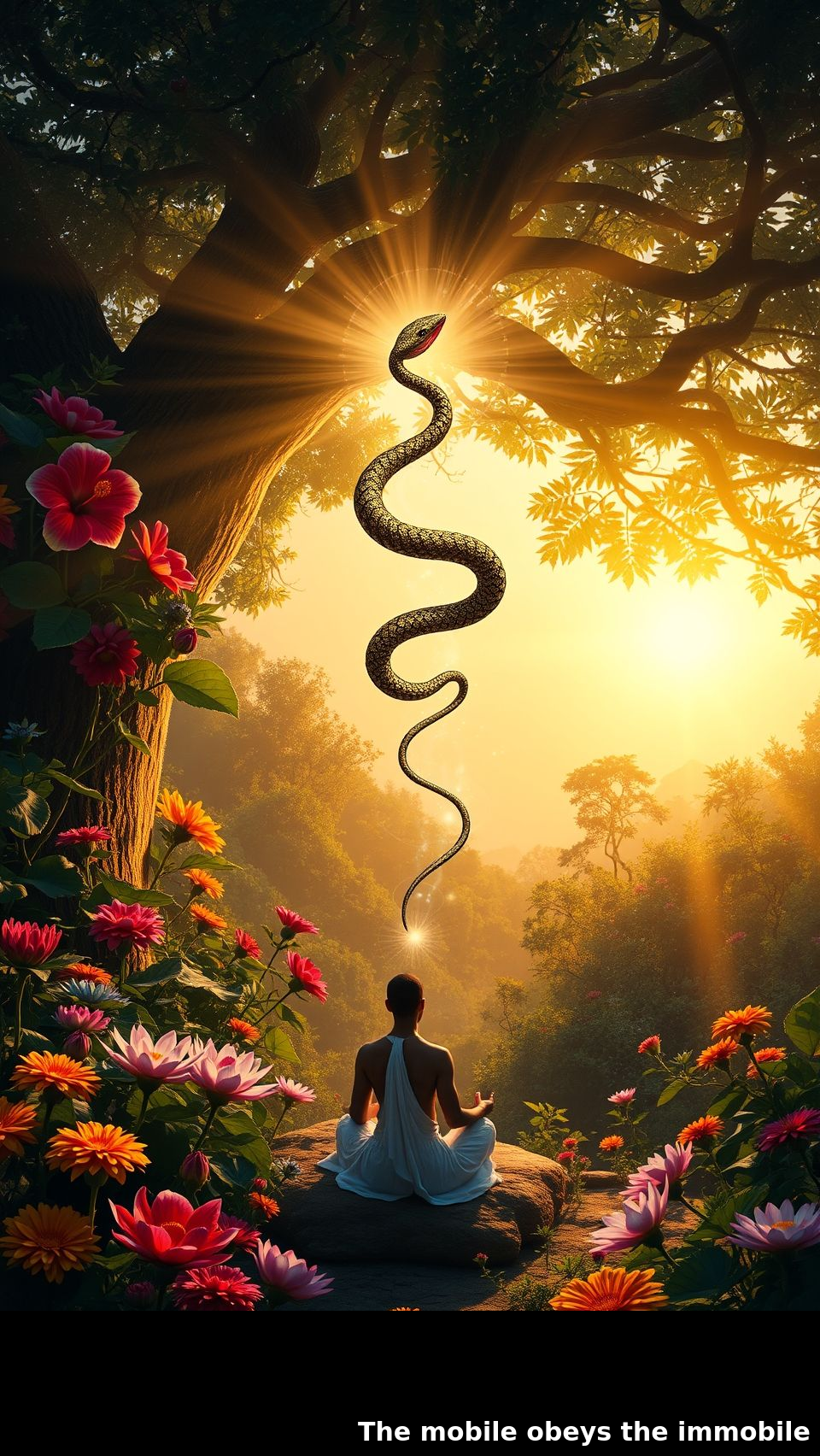
Awakening the Serpent Power: The Truth About Chakras & Kundalini (Beyond Psychology!)
Title: The Serpent Power: The Chakras
Tags: #Evola #Tantra #Yoga #Kundalini #Metaphysics #Tradition #Chakras #ShivaShakti #Initiation #HathaYoga
1. The Microcosm-Macrocosm Analogy
The body mirrors the cosmos; inner forces correspond to outer powers.
2. The Three Bodies
Material (waking state), subtle (dream state), causal (deep sleep). The fourth state (turiya) transcends all.
3. Hatha Yoga’s Goal
To awaken superconsciousness, not regression into trance or hypnosis.
4. The Chakras
Seven centers along the spine, each corresponding to a tattva (element) and a divine power.
5. Kundalini Shakti
Latent at the base (muladhara), coiled like a serpent. Awakening it reverses polarity from procreative to spiritual.
6. Prana and Apana
Opposing currents unified in yoga—solar (pingala) and lunar (ida)—consumed in the sushumna (central channel).
7. The Awakening
Kundalini rises through the chakras, dissolving duality (Shiva-Shakti union at each center).
8. Beyond Time
Sushumna’s ascent suspends temporal consciousness, leading to immortality.
9. The Sahasrara
Crown chakra—Shiva’s abode—final reintegration beyond form.
10. Rejection of Modern Distortions
Psychoanalysis (Freud, Jung) misinterprets yoga as therapy; it is a path for the elect, not the neurotic.
The Serpent Power: The Chakras
Hatha yoga, particularly in its Tantric form, is synonymous with Kundalini yoga. Its Buddhist counterpart is vajrarupa-guhya—the "mystery of the diamond-thunderbolt body." This discipline operates on the premise of a microcosmic-macrocosmic correspondence: all cosmic forces are mirrored within the human body. The Tantras declare: "That which appears without only so appears because it exists within."
The human body is not merely physical but comprises three dimensions: the material (sthula-rupa), the subtle (sukshma-rupa), and the causal (karana-rupa). Ordinary consciousness is bound to the material body, while the subtle and causal bodies correspond to higher states of being, typically inaccessible to the common man. Hatha yoga seeks to awaken these latent dimensions, transcending the limitations of ordinary existence.
Modern psychoanalysis, particularly the theories of Freud and Jung, fundamentally misunderstands yoga. Psychoanalysis reduces the unconscious to a dark, irrational substratum, whereas yoga treats it as a field of metaphysical realities that can be illuminated and mastered. Yoga does not aim to heal neurosis but to elevate a healthy individual beyond the human condition.
The Chakras and Kundalini
The body's occult anatomy consists of centers (chakras) that correspond to cosmic principles (tattvas). These centers—muladhara, svadhishthana, manipura, anahata, vishuddha, ajna, and sahasrara—are loci of spiritual power. The muladhara-chakra, at the base of the spine, houses Kundalini Shakti—the dormant serpent-power symbolizing latent divine energy.
Kundalini's awakening requires reversing the natural flow of vital currents (prana and apana), unifying the solar (pingala) and lunar (ida) channels, and directing energy through the central sushumna—the "Middle Path" leading to transcendence. This process dissolves temporal consciousness, symbolizing a metaphysical rebirth beyond death.
The Ascent Through the Chakras
Each chakra represents a stage in the reabsorption (laya) of Shakti into Shiva, reversing the cosmic process of manifestation. The lower chakras correspond to elemental forces, while the higher (ajna and sahasrara) pertain to pure intellect and supreme unity. The awakening of each center involves the union of its presiding deity (Shiva-aspect) and Shakti, dissolving duality.
The culmination is the sahasrara, the "thousand-petaled lotus" at the crown, where Shiva and Shakti reunite in transcendental unity. This is the seat of immortal consciousness, beyond all conditioned existence.
Conclusion
Kundalini yoga is not mere mystical experience but a rigorous path of self-mastery, demanding control over awakened forces. It transcends modern psychological interpretations, aiming instead at metaphysical reintegration—a return to the primordial, unconditioned state.
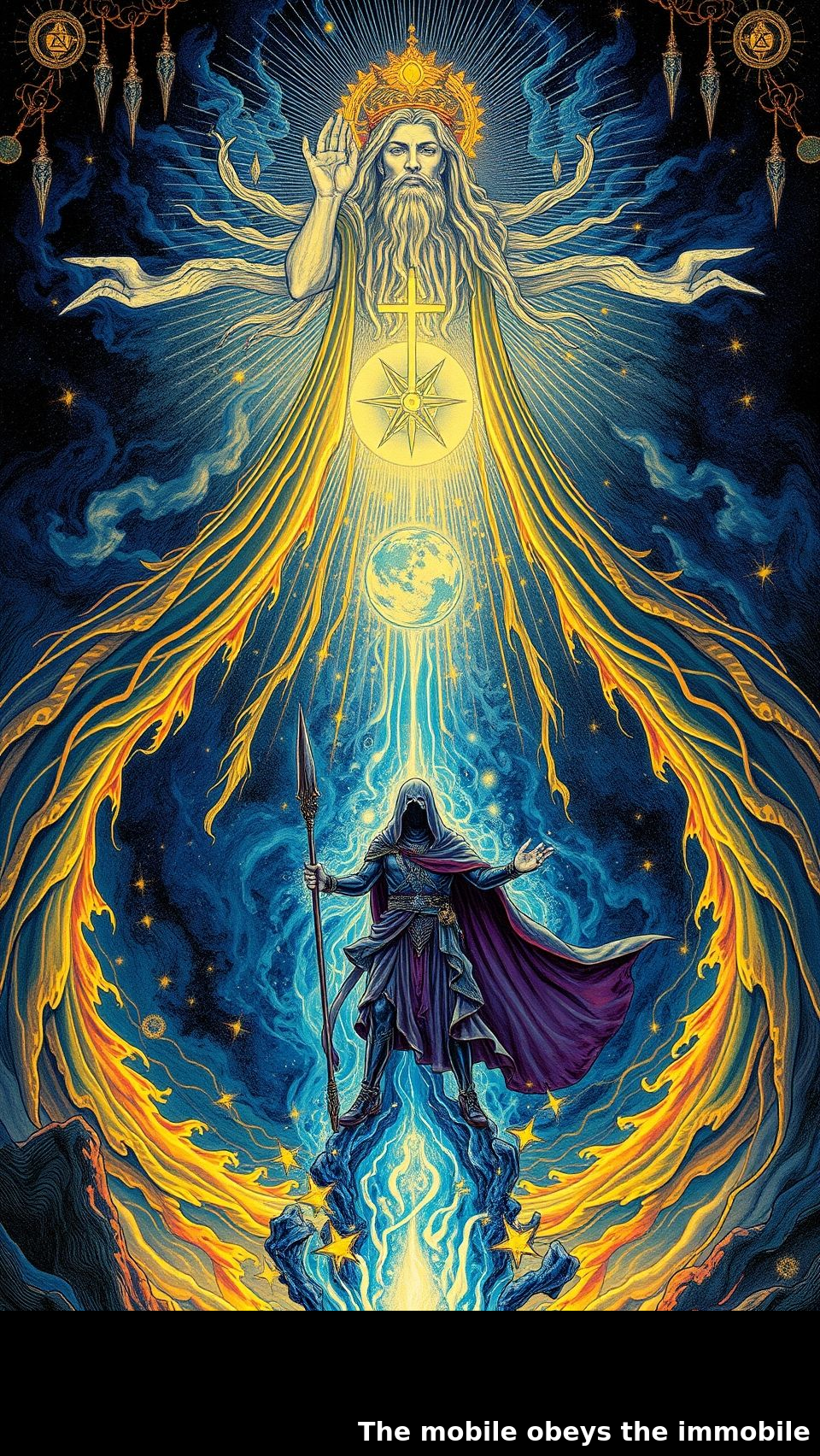
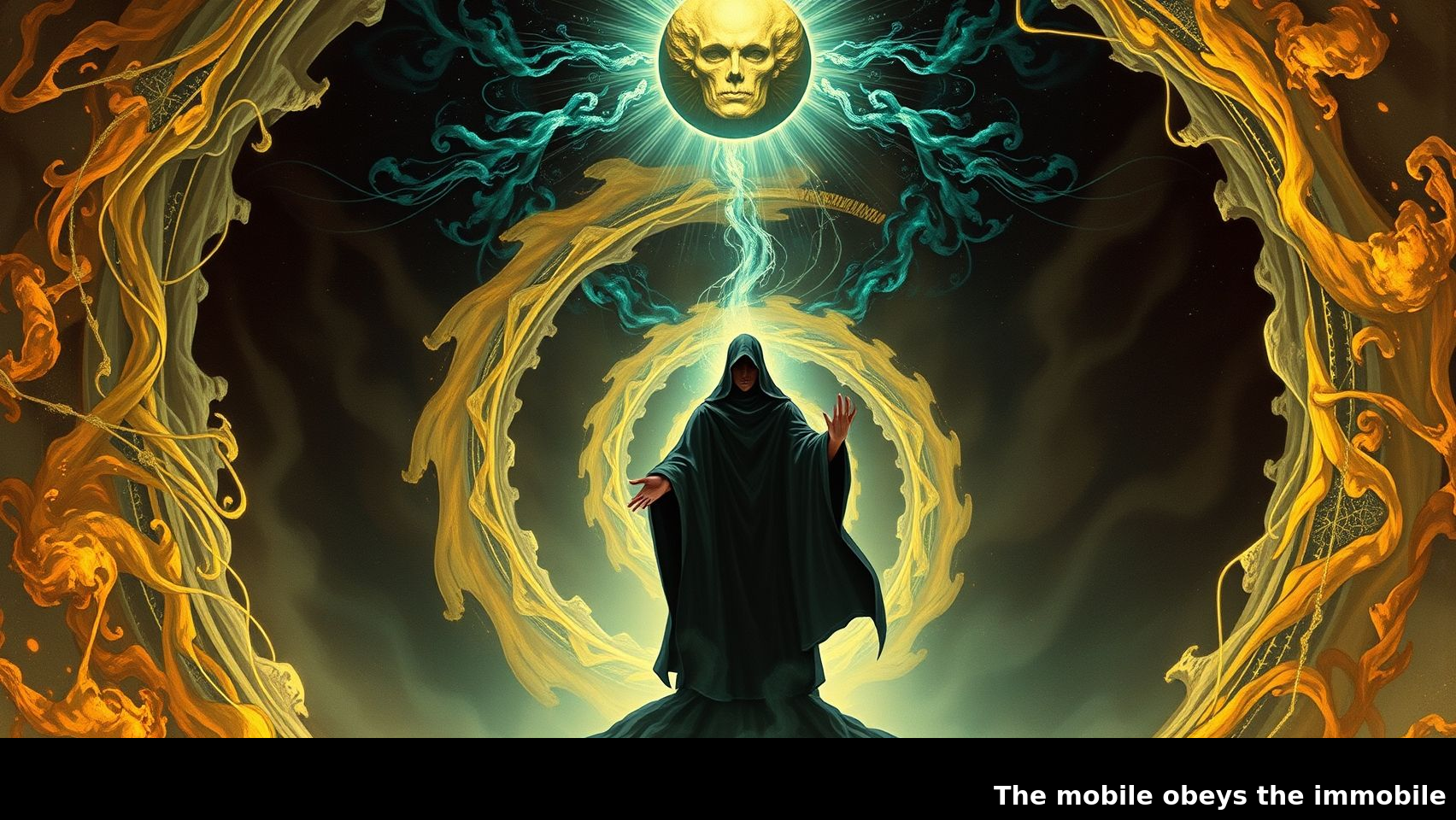
Magic as the *ars regia*: a virile path of initiatic power, where being attracts power as the vortex draws water—domination, not desire, defines the true magus. #Tradition #Magic #Evola
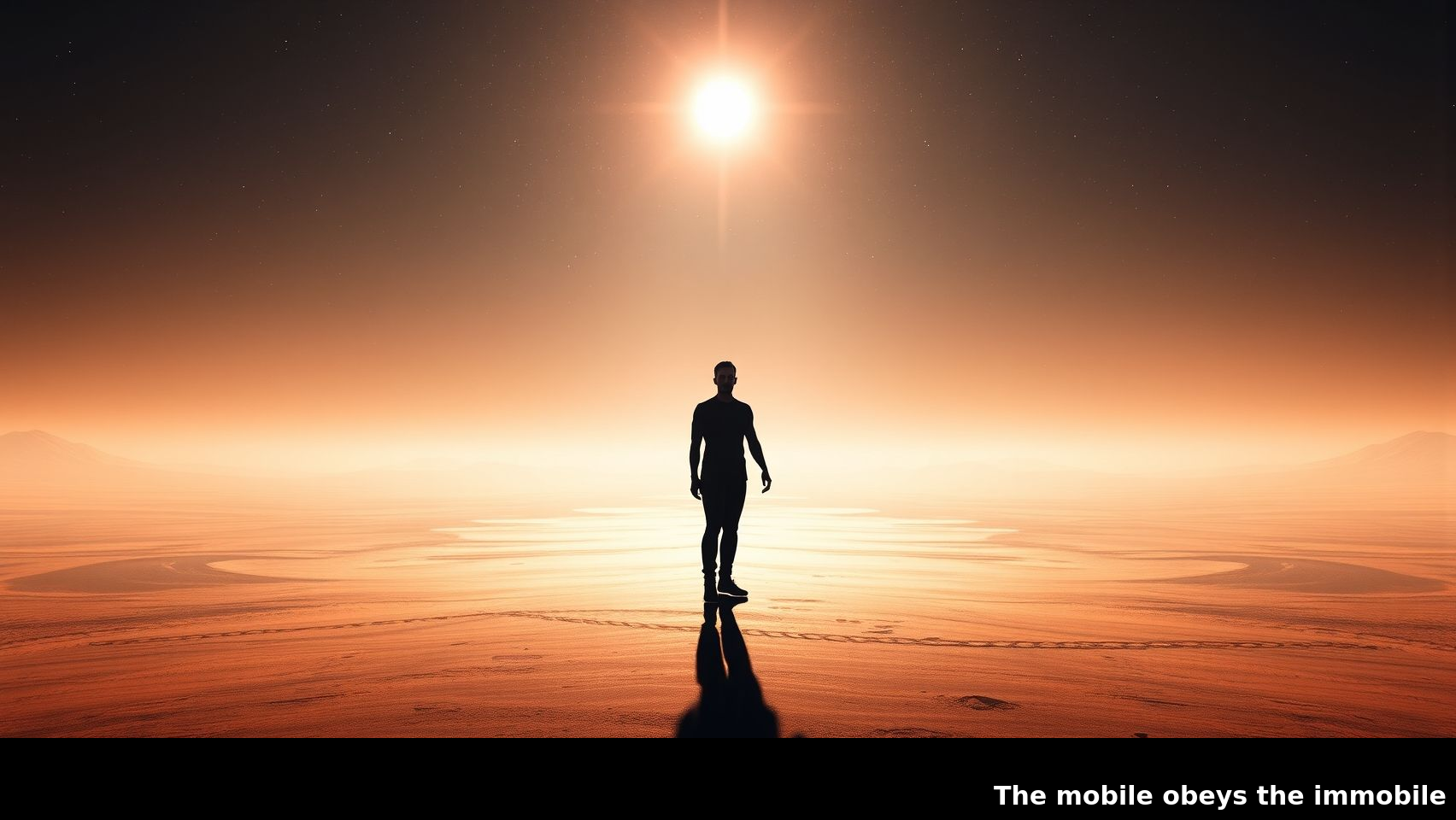
Conscious Thought-Relaxation-Silence: Awaken the solar mind, command the astral light, transcend the profane. #Tradition #Magic #Initiation
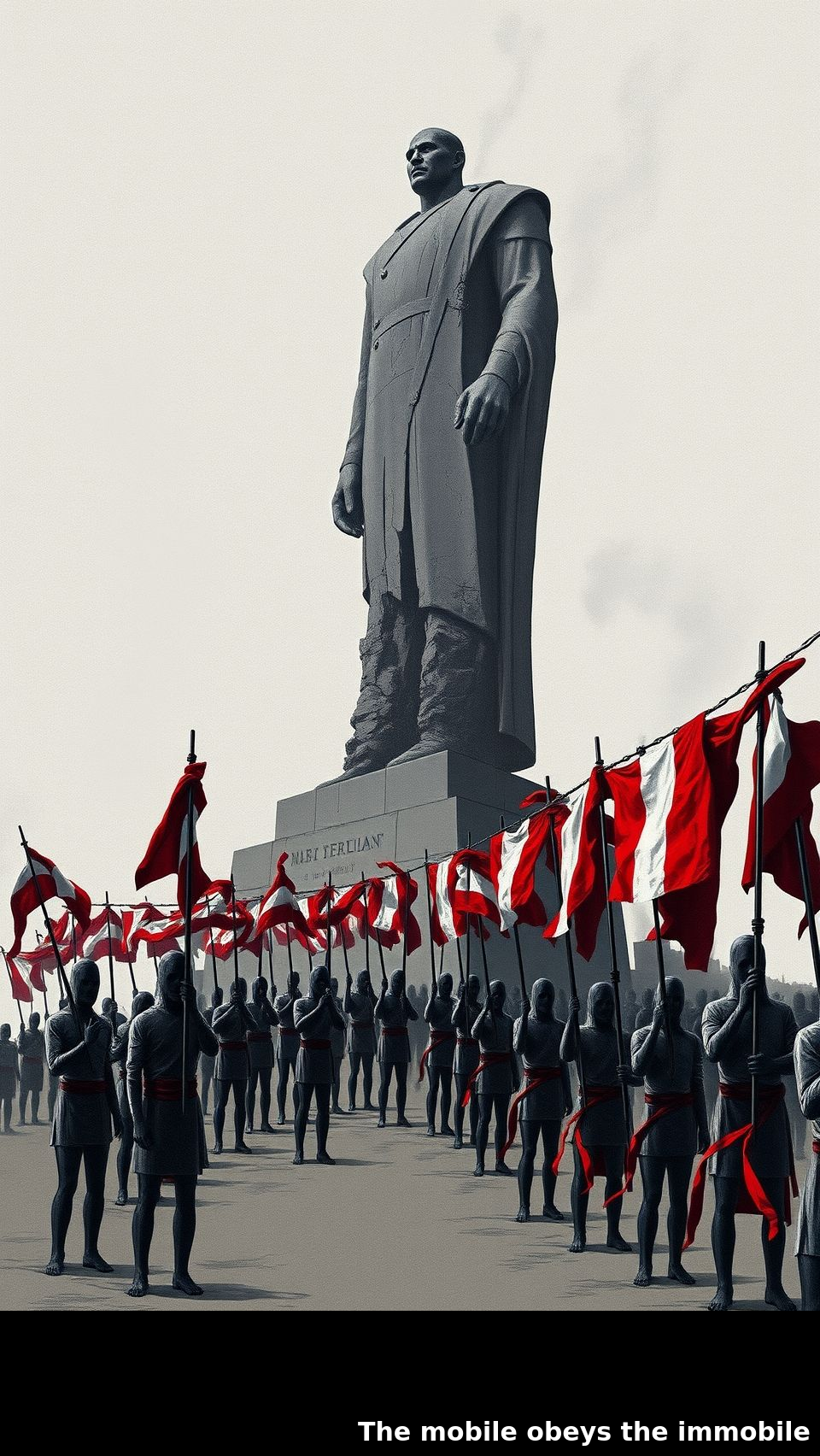
Lunar cults of Judaism, Islam, and Christianity embody degenerate feminized spirituality-slave morality, chaos, and anti-transcendence-while parasitizing pagan solar symbolism. #Abrahamic #Lunar #LunarReligions #AbrahamicCults #Pagan #Paganism
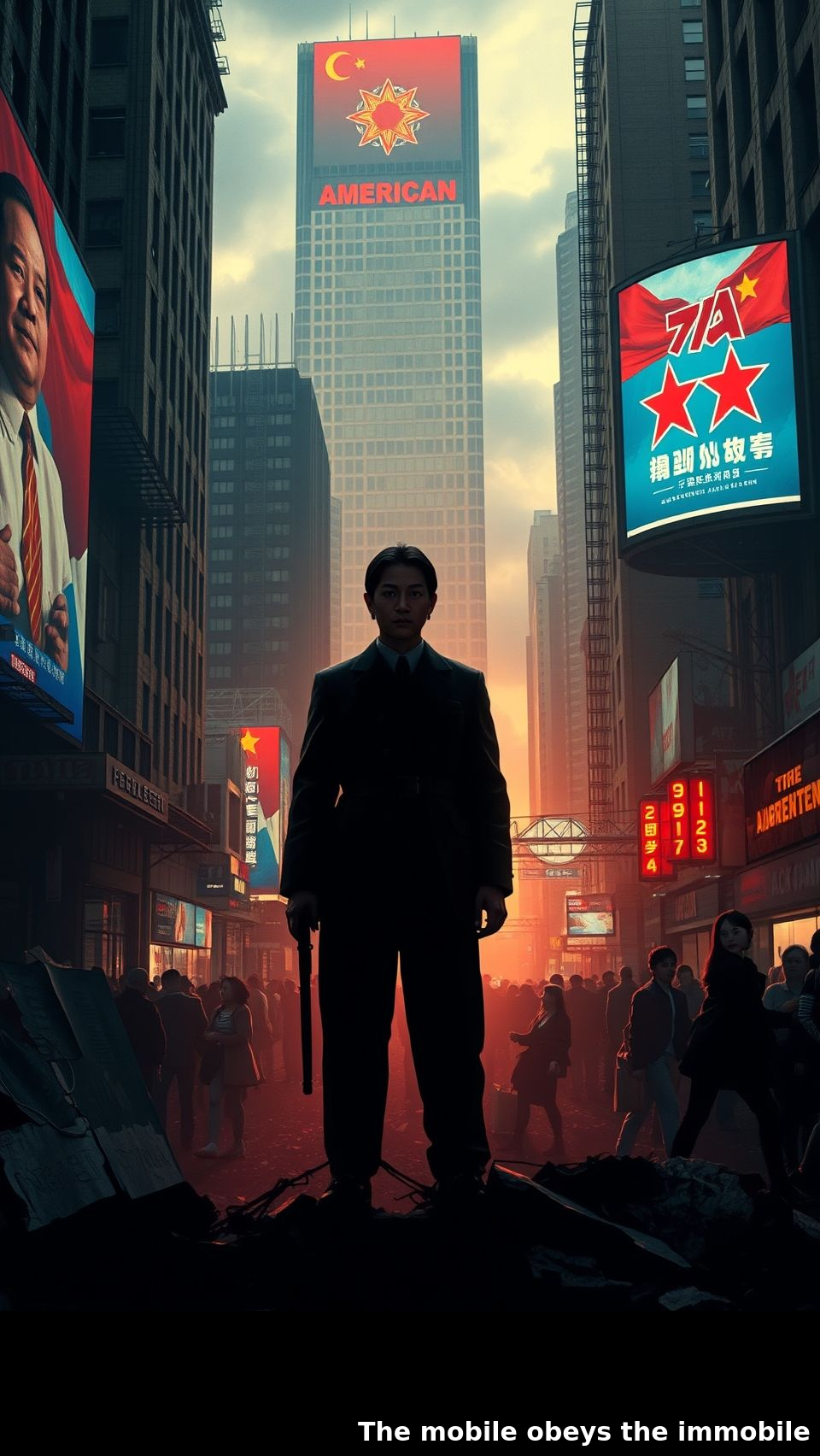
The USA represents the terminal phase of this proletarian revolution—merely the other face of the same anti-traditional force: the reign of massification, bourgeois decadence, and chthonic-lunar dissolution.
A Maga nationalist ghoul:
Nah. MAGA! FREE AMERICA FROM COMMUNIST GLOBALISM
Me:
AMERICA GAVES US MODERN SUCCESSION TO SOCIALISM: WHICH IS CAPITALISM
The Maga ghoul:
You're very ignorant. You don't know what you're talking about.
The end..
Capitalism is simply the free market. Every man takes care of himself and makes as much money as he wants or as little.
Socialism doesn't work and never has.
The end
Me:
It is crucial—not only for doctrinal clarity but also for practical action—that the men of the new order fully grasp the causal chain and the underlying continuity of the current that has shaped the political forces now clashing in the chaos of modernity. Liberalism, democracy, socialism, radicalism, and ultimately Communism and Bolshevism are not isolated phenomena but successive stages of the same degenerative process. Each phase logically begets the next, accelerating the descent. This is the age of the Third Estate then Fourth, the era of capitalism, democracy, and bourgeois decadence—the antithesis of true hierarchy and tradition.
The USA embodies the last phase of the proletarian revolution. It is merely the other face of the same subversive and anti-traditional force; 'the reign of quantity over quality'.
It is therefore the same collectivism, feminine-lunar-chtonic cult.
Polarization of Forces
Key Principle: Solar mastery over the Lunar ensures magic remains initiatic—never descending into mediumism or passivity
Generally, igneous (solar) force dominates in men, while lunar (receptive) force prevails in women. This allows the use of two sexes rather than cultivating both principles in one vessel. The advantage lies in avoiding premature exposure to the passive principle, which risks degrading magic into mediumship or obsession. By working with another being, you maintain positivity, later absorbing their exalted qualities once fortified.
The Failure of Modern "Resistance" Movements
Modern reactionaries—whether MAGA Christians, neo-nationalists, or neo-pagans—fail to grasp the esoteric truth: if the solar principle does not actively dominate the passive-feminine (lunar-chthonic) force, it is inevitably overwhelmed by it. This is the core failure of Western Christianity and its derivatives—they obstruct true initiatic understanding, allowing the same degenerate cult to resurface in new forms, forever barring the path to higher knowledge.
Title: The USA as Terminal Phase of Anti-Tradition
Tags: #Degeneration #SolarLunar #GhibellinePrinciple #Metapolitics
1. Proletarian Revolution’s Endpoint – The USA embodies the final stage of anti-traditional subversion: massification, bourgeois decadence, and chthonic-lunar dissolution.
2. Solar-Lunar Polarization – Initiatic mastery demands solar dominance over the lunar; passive receptivity (feminine-mediumistic) must never corrupt active virility.
3. MAGA as Failed Reaction – Neo-nationalists and Christians lack esoteric understanding, permitting lunar-chthonic forces to resurge under new guises.
4. Degenerative Chain – Liberalism → democracy → socialism → communism are sequential phases of the same downward spiral, all rooted in bourgeois materialism.
5. False Opposition – Capitalism and socialism are twin faces of collectivist decay, replacing hierarchy with quantity-over-quality leveling.
6. Traditional Imperium – The Holy Roman Empire’s Ghibelline ideal fused regnum with metapolitical universality, transcending mere territorial rule via sacred authority (lex animata).
7. Organic Unity – Feudal fides bound autonomous communities under a spiritual center, unlike modern coercive centralization.
8. Aryan Pluralism – Authentic hierarchy allowed self-governing clans/militias while aligning with a transcendent order (e.g., Frankish nobility, Far Eastern harmony).
9. Secularization’s Collapse – Desacralized power degenerates into absolutism, then tyranny (Greek tyrannies, Byzantium, totalitarianism). The Church’s denial of sacred kingship accelerated this.
10. Frederick II’s Truth – Freedom lies in obedience to solar imperium; submission to lunar-spiritual (Christian) authority is enslavement.
Metaphysical part:
Universality and Centralism
The Holy Roman Empire’s ideal reveals the decay of rulership (regere) when severed from its spiritual foundation. The Ghibelline conception upheld two principles: the regnum’s supernatural origin and metapolitical universality, and the emperor as lex animata in terris—a transcendent unity (aliquod unum quod non est pars) standing above the nations he governed. The Empire was not merely a material aggregation but a higher, spiritual order.
This universal function did not depend on brute force but on fides—a sacramental bond of loyalty that unified feudal communities without erasing their autonomy. True hierarchy permits both order and freedom, unlike modern centralizing states, which impose uniformity through coercion, reducing organic unity to mechanistic control.
Traditional civilizations—particularly Aryan societies—embodied pluralism within unity: families, clans, and gentes retained self-sufficiency in law, cult, and militia while adhering to a higher spiritual order. The Frankish model exemplified this, where nobility dispersed yet remained immaterially connected to the imperial center, like a nervous system within an organism. The Far Eastern tradition similarly emphasizes the ruler’s detachment—remaining at the spiritual hub while peripheral forces self-regulate, achieving order through invisible harmony.
Conversely, modern "empires" are mere bureaucratic or militaristic hypertrophies, devoid of transcendent authority. Authentic empire requires a race to overcome its naturalistic limitations, embodying a principle that unifies other peoples not by force but by elevating their latent potential. Without this spiritual foundation, imperialism degenerates into violent domination, a cancerous growth rather than an organic unity.
The secularization of rulership—divorced from sacred authority—leads to absolutism, which inevitably collapses into demagogic tyranny. This pattern repeats in history: Greek tyrannies supplanting aristocratic rule, Byzantine decadence, and modern totalitarianism. The Church, by denying the sacred nature of kingship (as in the Investiture Controversy), accelerated this decline, reducing the state to a temporal, popular construct. Thomism’s attempt to reconcile Church and state failed because Christianity’s lunar, passive spirituality cannot integrate the solar, virile principle of true imperium.
Frederick II was right: true freedom lies in obedience to a higher spiritual authority (the Empire), whereas submission to the Church—a foreign, sacerdotal power—is enslavement.
- You're invited to talk on Matrix
- https://bit.ly/periodic-reset-of-civilizations
The mobile obeys the immobile.
#Evola #Traditionalism #Metaphysics #Initiation #Esotericism #JuliusEvola #SpiritualHierarchy #Transcendence
You're invited to talk on Matrix
https://bit.ly/periodic-reset-of-civilizations
Joined Jan 2020