
xianc78 @xianc78@gameliberty.club
- Sex
- Male
- Primary OS
- Linux Mint
- Programming Languages
- C/++/#, Python, Java, JavaScript, PHP, SQL, Assembly
- Ioncom Official Site
- http://ioncom.helioho.st/
Joined Jun 2020
xianc78
boosted

Vtuber Agorism is the future.




xianc78
boosted







Paradise or dystopia, you're the one making either possible
https://ryocafe.site/blog/paradise-or-dystopia-is-powered-by-you/
http://asc7ewkcvat2wsoi5yuwkej5ukyrqqnpnzpj4u34r2jxnoxhnbx6yqad.onion/blog/paradise-or-dystopia-is-powered-by-you/
https://ryocafe.site/blog/paradise-or-dystopia-is-powered-by-you/
http://asc7ewkcvat2wsoi5yuwkej5ukyrqqnpnzpj4u34r2jxnoxhnbx6yqad.onion/blog/paradise-or-dystopia-is-powered-by-you/
xianc78
boosted
https://hozon.site/archive/1663559206/reclaimthenet.org/amazon-to-assist-the-eu-with-a-digital-euro-trial//index.html
> In February, ECB President Christine Lagarde said that the digital euro would complement cash, not replace it.
Literally everyone who lives in Europe or has visited Europe over at least the past 8 years knows very well that is pure bullshit.
Sweden: cashless.
Romania: cashless.
Finland: cashless.
Estonia: cashless.
Italy: soycial kredit soystem.
France: lethal injection passport required.
Netherlands: cashless preferred.
Belgium: cashless preferred.
4th Reich: cashless preferred.
Poland: cashless preferred.
> In February, ECB President Christine Lagarde said that the digital euro would complement cash, not replace it.
Literally everyone who lives in Europe or has visited Europe over at least the past 8 years knows very well that is pure bullshit.
Sweden: cashless.
Romania: cashless.
Finland: cashless.
Estonia: cashless.
Italy: soycial kredit soystem.
France: lethal injection passport required.
Netherlands: cashless preferred.
Belgium: cashless preferred.
4th Reich: cashless preferred.
Poland: cashless preferred.
This is probably the weirdest remix of the Zelda theme I've ever heard. It was played during the original broadcast of BS Zelda, which is strange because the lyrics are enitrely in English.
Why are Asians obsessed with blood-types? It's such a retarded superstition, especially when blood-types are a recent discovery compared with zodiac signs.

xianc78
boosted
@xianc78 Check out RackNerd
512mb ram / 1 core / 15 gig ssd / 500 gig per month traffic / 1gig link , 1 IPV4 IP - USD$23 per year - https://www.racknerd.com/kvm-vps
xianc78
boosted

This government is not your friend. This government is your mortal enemy. Be wary of it always.
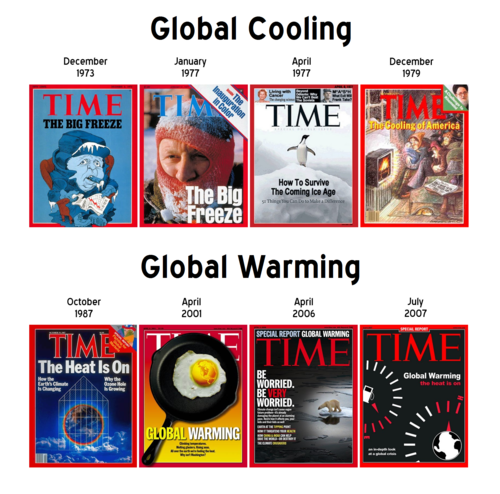
I've updated the article with information regarding the moon and how cooling effects of moonlight doesn't prove flat earth.
xianc78
boosted

@lanodan @BallsackGyroper1488 @apropos
> Cryptocurrencies have the exact same issues as cash there
Cash is a physical thing that can be taken away. Transporting physical cash across borders can be hard, but not transporting a cryptocurrency. And lastly, if you're holding a pile of cash, it's obvious who has that cash; this doesn't work with cryptocurrencies. So asset forfeiture, the way it works now, can't actually work: it's difficult to prove who owns it or where it is, and transportation is instantaneous.
> And cryptocurrencies are most of the time much worse than cash as you don't get a massive world power for the stability
You don't get that guarantee with any commodity; the worth is what you can get for it.
Further, massive world powers have demonstrated, especially in the last few years, that they cannot be trusted to maintain the stability. You have even less of a guarantee with them. I see "No state involvement" as a benefit. Taxes are used to fund wars, since the very beginning of taxes. (A relatively modern innovation was maintaining the taxes during peacetime to provide bread and occasionally circuses: no one complains that the taxes are still collected and people come to rely on the benefits.)
> they're effectively corporation-baked money
So's a mutual fund, but in this case, it's not so much a corporation as a large group of people that are willing to use it as a medium of exchange.
> you might as well use things like gift cards or directly gifting some goods, where asserting trust is often much simpler.
I trust math and hackers more than I trust a government or a corporation. Previously:
weirdhackers.png
> Cryptocurrencies have the exact same issues as cash there
Cash is a physical thing that can be taken away. Transporting physical cash across borders can be hard, but not transporting a cryptocurrency. And lastly, if you're holding a pile of cash, it's obvious who has that cash; this doesn't work with cryptocurrencies. So asset forfeiture, the way it works now, can't actually work: it's difficult to prove who owns it or where it is, and transportation is instantaneous.
> And cryptocurrencies are most of the time much worse than cash as you don't get a massive world power for the stability
You don't get that guarantee with any commodity; the worth is what you can get for it.
Further, massive world powers have demonstrated, especially in the last few years, that they cannot be trusted to maintain the stability. You have even less of a guarantee with them. I see "No state involvement" as a benefit. Taxes are used to fund wars, since the very beginning of taxes. (A relatively modern innovation was maintaining the taxes during peacetime to provide bread and occasionally circuses: no one complains that the taxes are still collected and people come to rely on the benefits.)
> they're effectively corporation-baked money
So's a mutual fund, but in this case, it's not so much a corporation as a large group of people that are willing to use it as a medium of exchange.
> you might as well use things like gift cards or directly gifting some goods, where asserting trust is often much simpler.
I trust math and hackers more than I trust a government or a corporation. Previously:
weirdhackers.png
xianc78
boosted

OG Humans:  today i will calculate the size of the planet i live on using a stick and some moonlight
2022 Humans: i need experts to tell me everything so i know it's not fake news
today i will calculate the size of the planet i live on using a stick and some moonlight2022 Humans:
i need experts to tell me everything so i know it's not fake news

New article on my website: The Problem With Flat Earth.
xianc78
boosted

I just got really spooked: https://en.wikipedia.org/wiki/File:Lyles.ogg
This is a recording of a flight attendant from one of the World Trade Center attack flights. She literally calls her husband with a scripted sequence and then at the end whispers "It's a frame" ("a frame" means someone has been unjustifiably blamed for something. In this case the "muslim terrorists").
Wow. A 9/11 conspiracy proof right under our noses, and I have never heard of it before. And yes, Wikipedia actually links to it here: https://en.wikipedia.org/wiki/United_Airlines_Flight_93
Grab it before they censor it, I guess.
This is a recording of a flight attendant from one of the World Trade Center attack flights. She literally calls her husband with a scripted sequence and then at the end whispers "It's a frame" ("a frame" means someone has been unjustifiably blamed for something. In this case the "muslim terrorists").
Wow. A 9/11 conspiracy proof right under our noses, and I have never heard of it before. And yes, Wikipedia actually links to it here: https://en.wikipedia.org/wiki/United_Airlines_Flight_93
Grab it before they censor it, I guess.
xianc78
boosted

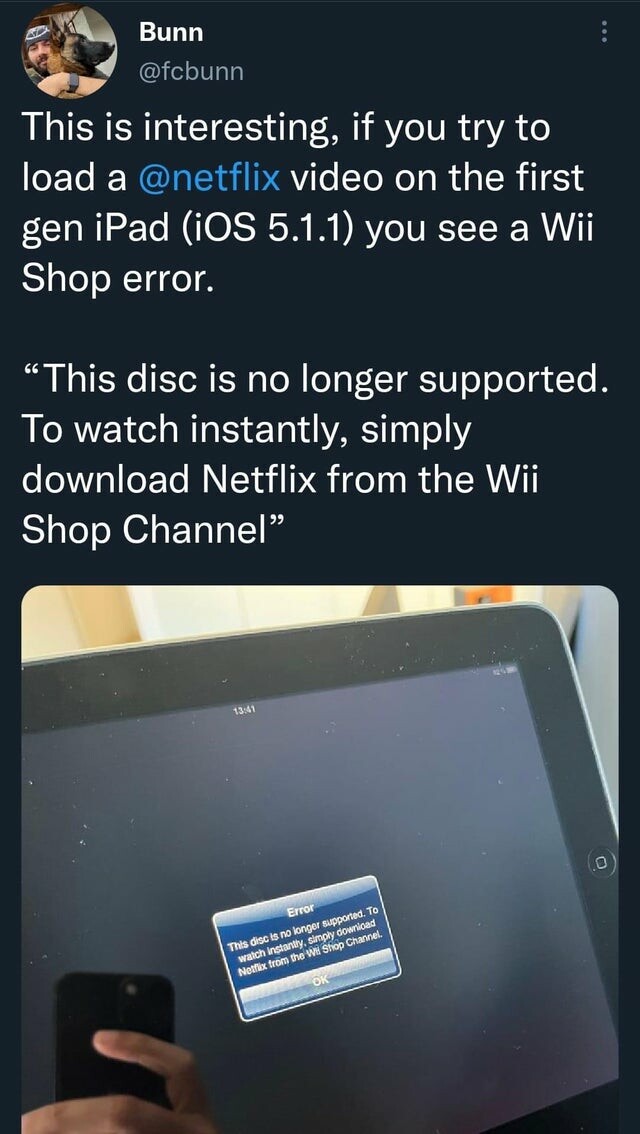
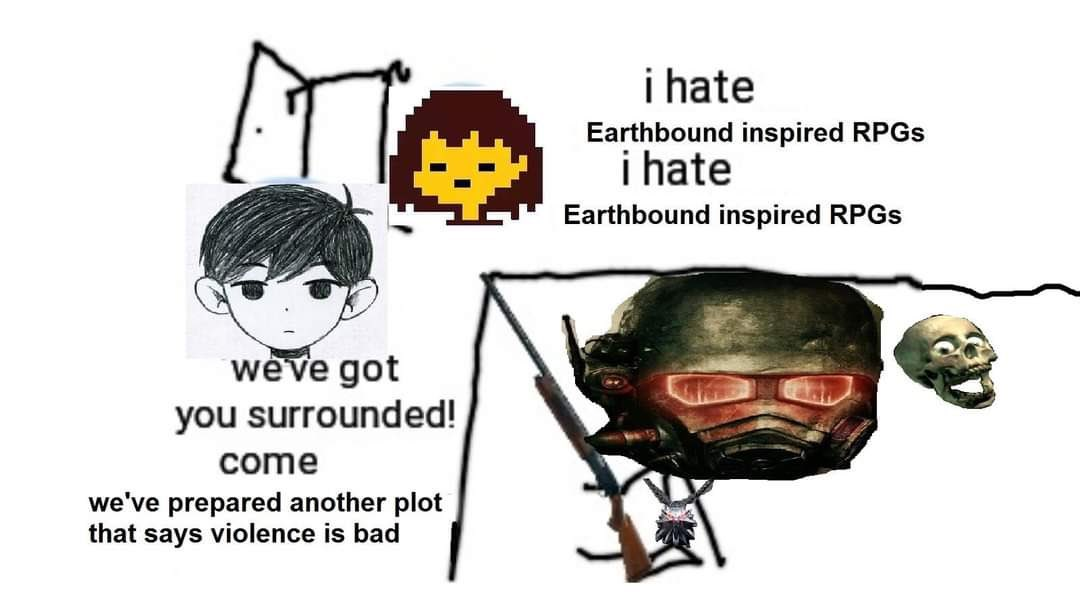




If they need a new logo graf can just commission me I won't charge too much just a few thousand
- Sex
- Male
- Primary OS
- Linux Mint
- Programming Languages
- C/++/#, Python, Java, JavaScript, PHP, SQL, Assembly
- Ioncom Official Site
- http://ioncom.helioho.st/
Joined Jun 2020