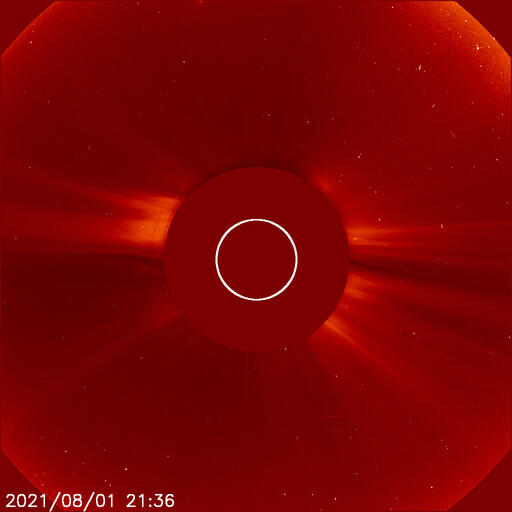
what the fuck just happened to the sun ? time to load up space weather .. which is probably censored by now..


>"cover plate blew off"
???
>"exposing the ring"
?????
>"which is enlarged atm"
???????????
>"Like the center blackout before"
??????????????????
>"They say"
????????????????????????
>"this haze is permanent"
???????????????????????????????????
>"it's not going back to what it was before"
????????????????????????????????????????????????????????????????????????????????????????????????????????????????????????????
No one understands this Ringo, a little context would help a lot instead of vague nothingness and out-of-context screencaps of twitter

 💀
💀


@coyote @pernia @ringo
From what I know about these satellites, is that on a camera they'll have a round disk that covers the main body of the sun, to block out the light from the camera, so they can study the solar flares coming out of it. (since the sun itself is much brighter than the flares, they wouldn't be able to see the flares otherwise, because of how camera exposure stuff works).
Maybe this is what they mean by "cover plate". Otherwise, I've got no idea. It mostly sounds like jumbled nonsense, uttered by people who are clueless.
@coyote @pernia @ringo
Looking at both photos, it does seem like the sensor is getting overexposed. Some cameras will turn the image black where it's overexposed, which would explain the first image. And in the second one we can see a lot of artifacts where the sun would overexpose the sensor.
The "enlarged ring" is probably also caused by exposure problems, but it's not bad enough to completely black out the sensor. Basically the "enlarged ring" is not actually a feature of the sun, just another photographic artifact caused by the sun being too bright for the exposure settings of the camera.
@coyote @pernia @ringo
Been looking around, and on a different source (website) I found images from the same LASCO-C2 satellite/camera, and they look like this (attached). It seems in this case, there's no physical disk in front of the camera, but rather the disk is added digitally, to block the overexposed part. It seems this particular site sol24.net offers the original.
As for the black and white image, that's not an actual image of the sun, but rather the differences of 2 images taken consecutively. I guess it helps them track what changed in the flare activity.
Here is were the images seem to have originated from: https://sol24.net/soho-images