
 Doc (WBS Edition)

Its not fantastical that White people lived in the ME. Its historical fact. And tomatoes is all you have? Theyve been indigenous for 400+ years.
where are legal documents mentioned



religious musings
@givenup @d0c40r0 @Xenophon All churches are bad, always have been. Jesus called out the religious people (the Jews) all the time and that's part of why they wanted Him dead. Much of what He had to criticize rings true today with Christianity as well. Certainly, this scripture could be used to describe somebody like the pope as well.
The main role of Jesus was to give us an example to strive for, even knowing we will falter consistently it's all about getting better.
People who give themselves to religion are no better than those who blindly trust and base their opinions off of the mainstream media. It's all about an authority figure coming in between you and Jesus (the truth) to tell you what they think you should be doing. More often than not, that authority is among the most vile people on the inside.
In my mind, the only good thing religion can provide anyone is a community. The downside is that if you vocalize disagreements with certain things that the rest of this community upholds, there's a good chance you'll be cast out or looked down upon. It can also provide people with a sense of ease, because it will take a lot of their spiritual struggle off of them as they do not have to think about things... they can just trust someone who is quite literally "holier than thou" to call the shots for them. It's easier, but that doesn't mean it is better for you in the long run. Nothing worthwhile is easy. I always say that religion tends to make saints feel like sinners, and sinners feel like saints.
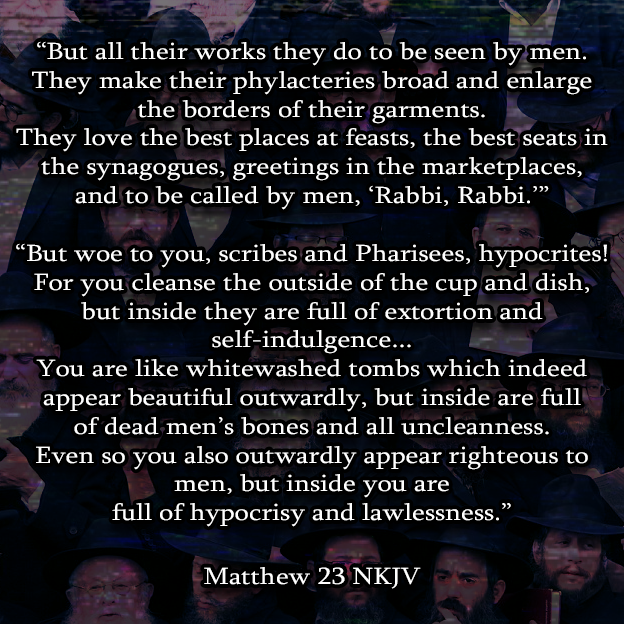

@Xenophon @d0c40r0 @givenup chat gpt synopsis:
This passage critiques organized religion, drawing parallels between the criticisms Jesus had for religious leaders in his time and those that could be applied to modern Christianity. It suggests that religious institutions often act as intermediaries between individuals and spiritual truth, potentially leading to blind obedience and a lack of personal accountability. While acknowledging the sense of community religion can provide, it warns against the dangers of conformity and the suppression of individual thought within religious communities. Ultimately, it argues that true spiritual growth comes from personal struggle and questioning, rather than blindly following religious authority.