



@William_The_Dragonborn @buttered_poasties @Terry That's how it was always understood to be, up until modernity.
The concept of non-combatants is relatively recent, argued first in the late 17th century, and codified into international treaties in the 19th century.
War is, and always was, about logistics and morale.
The enemy is the factory and the farm, as much as it is the airplane carrier and the tank.

>>The enemy is the factory and the farm, as much as it is the airplane carrier and the tank.
This is modern thinking yes, and attacking the civilian population has never lead anybody to win a single war, all it does is galvanise the populace around the government.
You win wars defeating the enemy's army via a decent strategy, bombing civilians at random doesn't achieve anything militarily in 99% of situations.
And before you say Iran and bombing infrastructure on the ME's kingdoms aligned with USRael this is a tactical own goal caused by Zionist hubris.
@PalePimp @buttered_poasties @Terry @William_The_Dragonborn Not a single war you say?
France might disagree.
Bombing power-plants and factories is a common and reliable strategy.
Less so now, because the factories for most countries are all in China, and you don't want WW3 on your hands.
In some cases, you do it to your own assets to deny the enemy, i.e. scorched earth strategy.
Assuming of course you have assets the enemy wants.
Also, I never said "at random", logistics aren't random.
But since you mention it, random acts of violence is called terrorism, and can be used to demoralize the enemy if sustained and combined with other tactics.
Get your agents / subversives / opposition in the enemy country blame the ruling government for their failures to protect public spaces.
Political turmoil is wasteful and destabilizing.
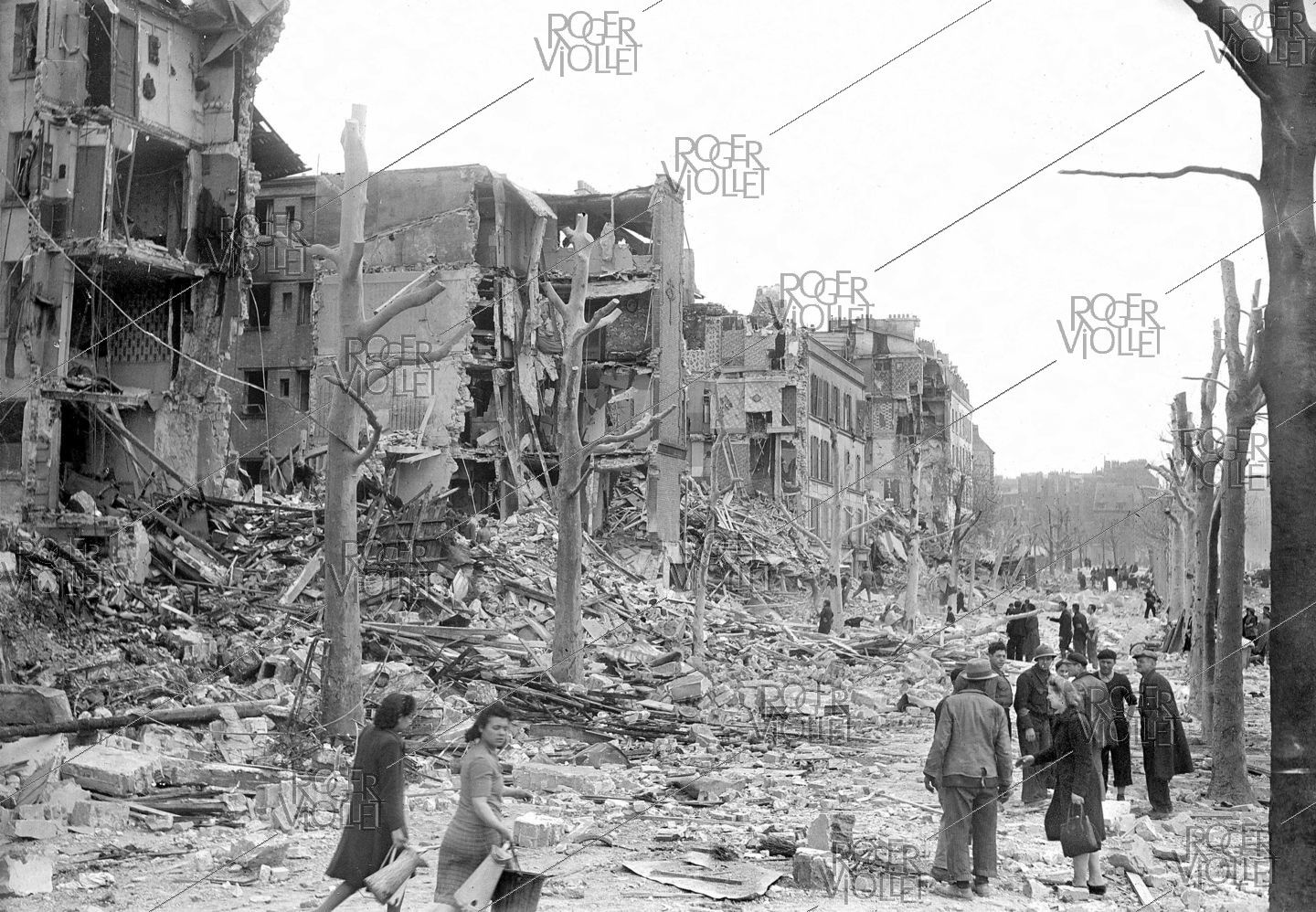
@PalePimp @buttered_poasties @Terry @William_The_Dragonborn@poa.stThe image is specifically in response to "attacking the civilian population has never lead anybody to win a single war".
Did France win?
No, they didn't.
The people doing the bombing did.
Many people argue that the Germans did it with less damage, but they also used different tactics, exploiting French culture and military tactics, and a fair bit of luck.

The allies bombing Paris, ergo bombing the civilians in the capital of an allied occupied country was an award winning strategy.
It is such a good strategy that for it to succeed they just needed to get the Red Army into Berlin and assault the Reichstag and depose the German high command by force and while on the ground.