
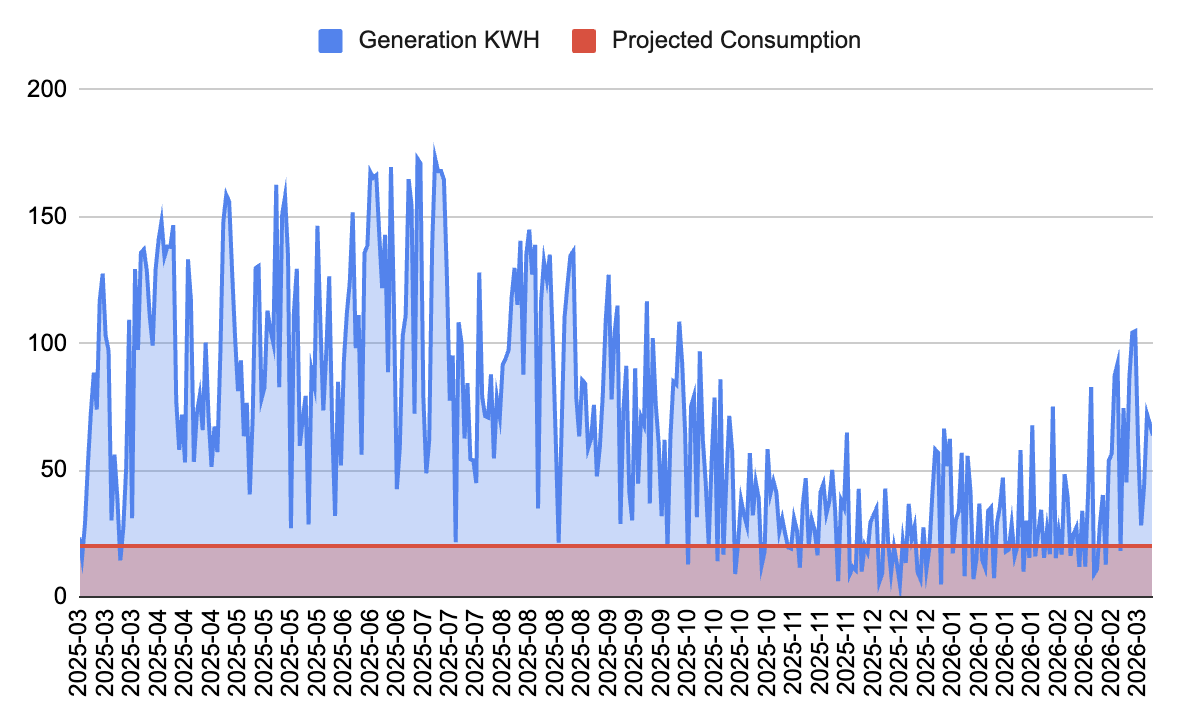
Pulled a year of public solar energy data to estimate what a 22KW PV array would be like at my house, assuming daily consumption of 20kWh.
1. Data is per-day because I assume I'll have enough batteries to store 1 day worth of generation
2. It is super noisy, there are days when topping off with grid power is still necessary (about 400 kWh per year)
3. 18,000 kWh/year is wasted, unless I wanted to sell to the grid, and they don't pay much...
4. Though it requires a 192€/year interconnect fee, maintaining a grid connection is still cheaper than topping off with a generator.
5. It's basically infeasible to create an array so large that it will still generate enough in the worst months of the winter.
1. Data is per-day because I assume I'll have enough batteries to store 1 day worth of generation
2. It is super noisy, there are days when topping off with grid power is still necessary (about 400 kWh per year)
3. 18,000 kWh/year is wasted, unless I wanted to sell to the grid, and they don't pay much...
4. Though it requires a 192€/year interconnect fee, maintaining a grid connection is still cheaper than topping off with a generator.
5. It's basically infeasible to create an array so large that it will still generate enough in the worst months of the winter.
If you're planning a PV installation and you don't have a net-metering deal where you can use the grid as an infinite size battery GET PER DAY DATA.
Don't rely on "average day" or yearly total, because they are meaningless if your consumption on one day will have you buying grid power while the next day you're generating way more than you need.
> unless I wanted to sell to the grid, and they don't pay much
Selling to the grid means all of the equipment is significantly more expensive, and (here) they pay you wholesale rates for your energy and then turn around and charge you retail on cloudy days, so it's better to spring for a battery.
Don't rely on "average day" or yearly total, because they are meaningless if your consumption on one day will have you buying grid power while the next day you're generating way more than you need.
> unless I wanted to sell to the grid, and they don't pay much
Selling to the grid means all of the equipment is significantly more expensive, and (here) they pay you wholesale rates for your energy and then turn around and charge you retail on cloudy days, so it's better to spring for a battery.
Follow

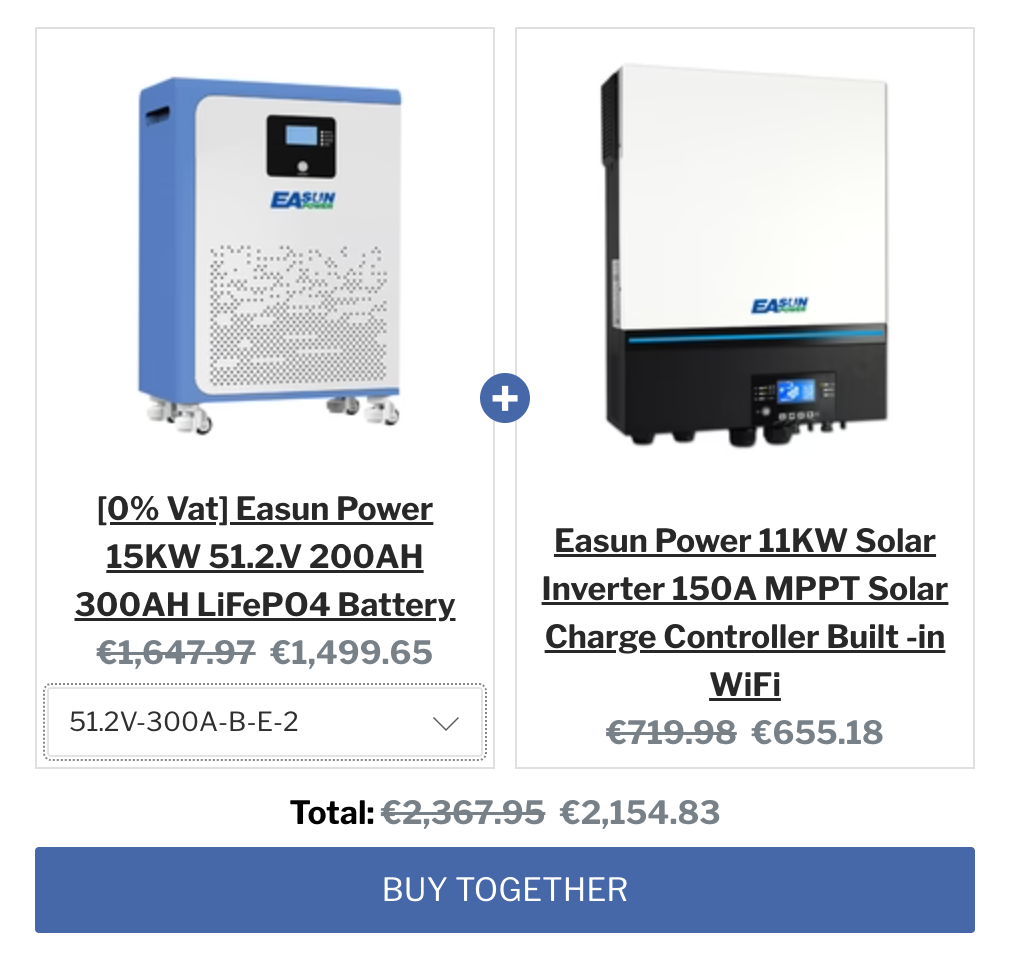
@cjd A good idea, but keep that thing somewhere safe.
When fully charged, it's basically a bomb, and significant temperature changes can cause cracks in the casing, which is why electric vehicles tend to spontaneously combust while parking for the night.
Safer than an EV, of course, since it's not moved around and jostled much, but still...
Keep it somewhere far from anything flammable, in a sturdy metal shed or a basement.

But yeah, gotta go in a shed, not in the house...