
This is a great example of a technology with a slow innovation curve, but one that would eventually come to replace a lot of other things.
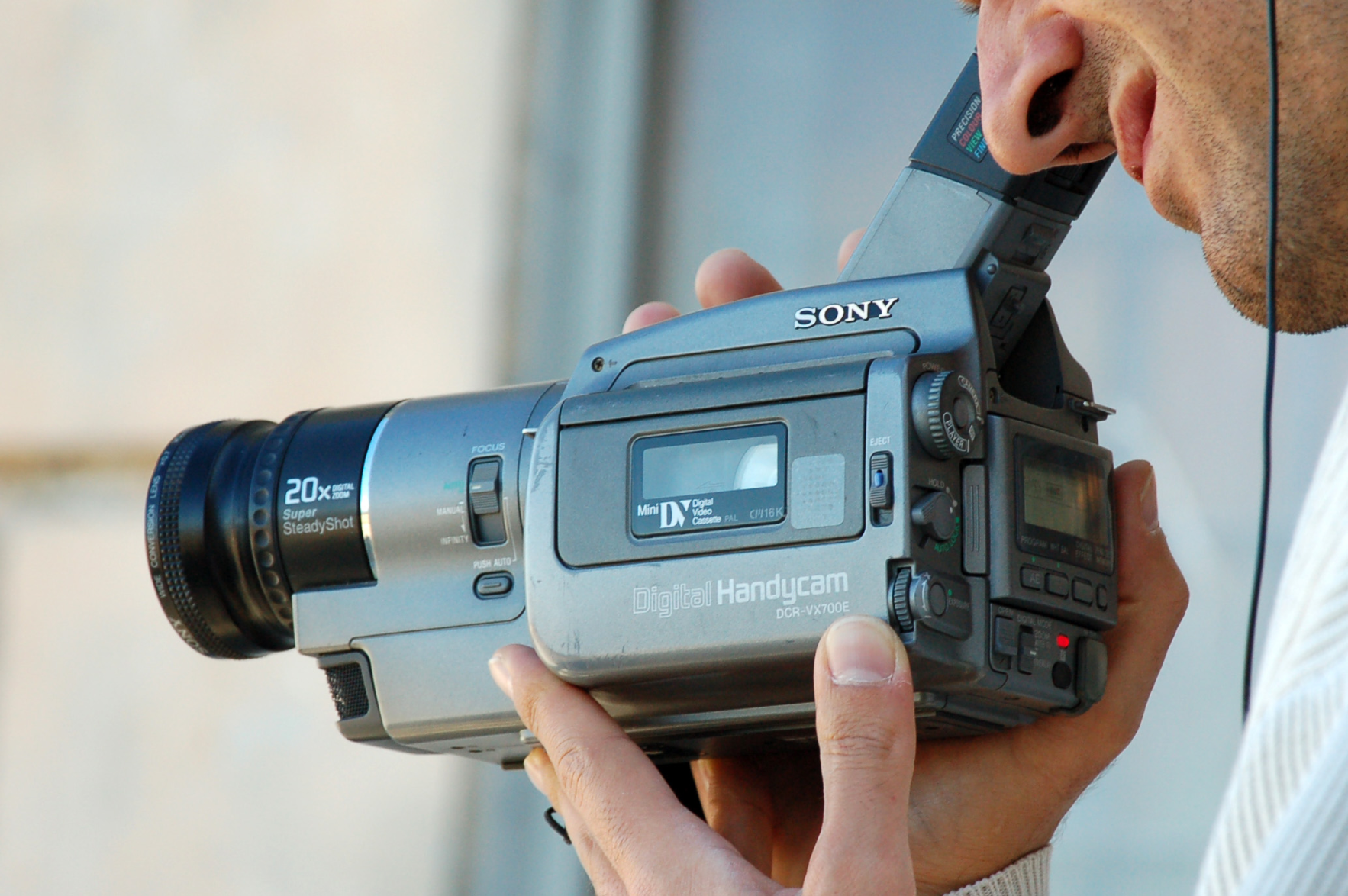
If you were smart, you would have known that (for example) tape based video cameras were going to be disrupted when flash memory hits enough density.
These things are tricky to think about because in many cases the growth curve is exponential, so something goes from "few kilobyte Nintendo cartridge" to "multi-terabyte SSD on a stick" in the matter of 4 decades.
These things are important to see and keep an eye on, because they are sitting there in plane sight, but most people don't pay attention - and they change how the future will look.
RT: https://mastodon.world/users/labrafa/statuses/116538277647424312
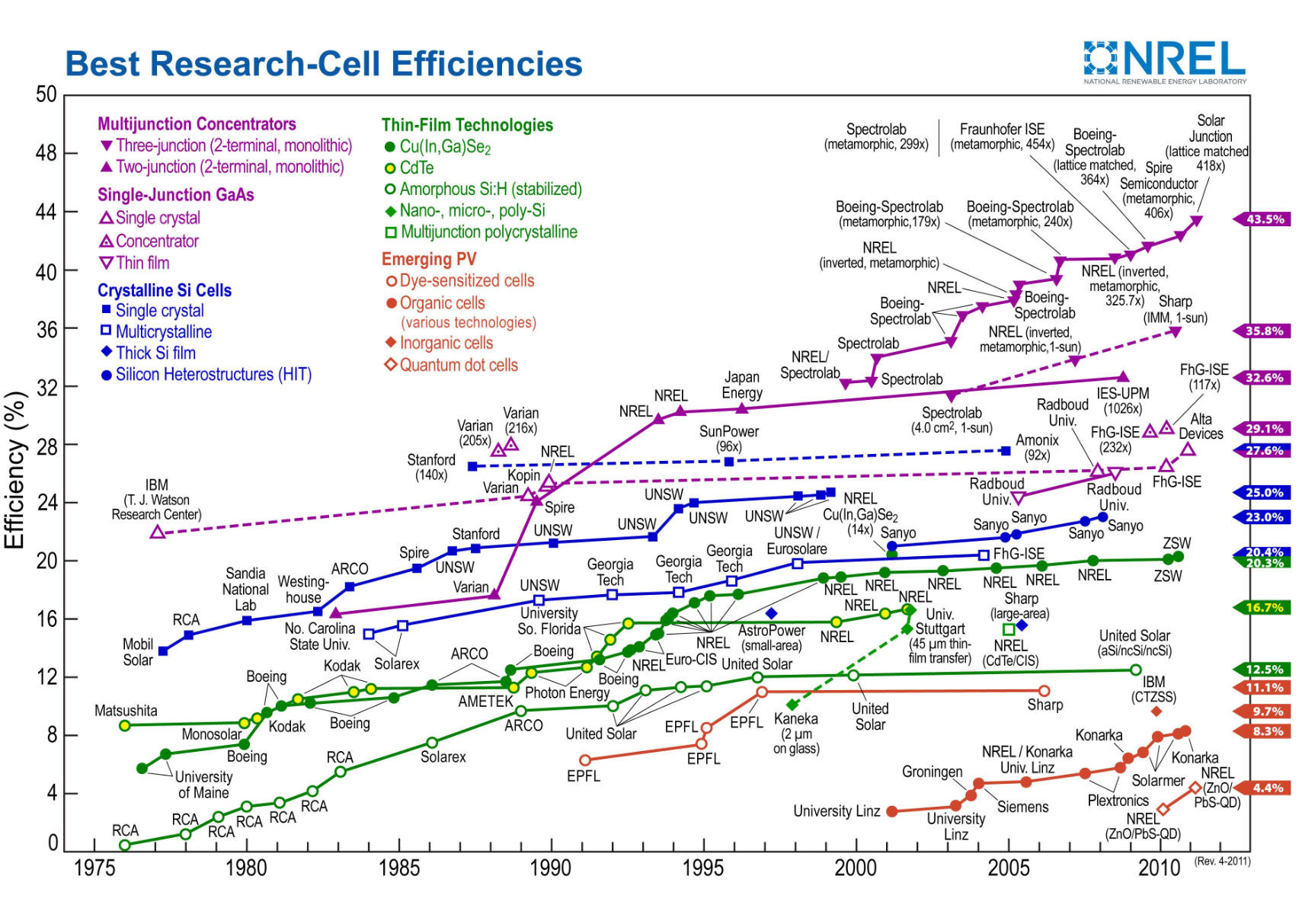
I acknowledge the problems, and particularly that geothermal and nuclear are WAY BETTER from first principles. But the thing is, there's insane amounts of R&D going into solar and batteries, so they're evolving FAST, while nuclear and geothermal have relatively little R&D and so they're stuck in the doldrums (for now).

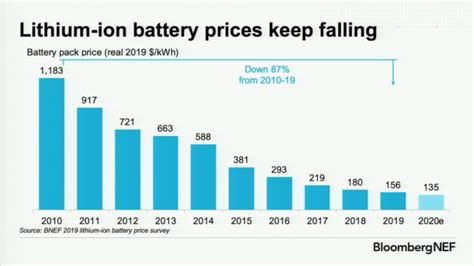
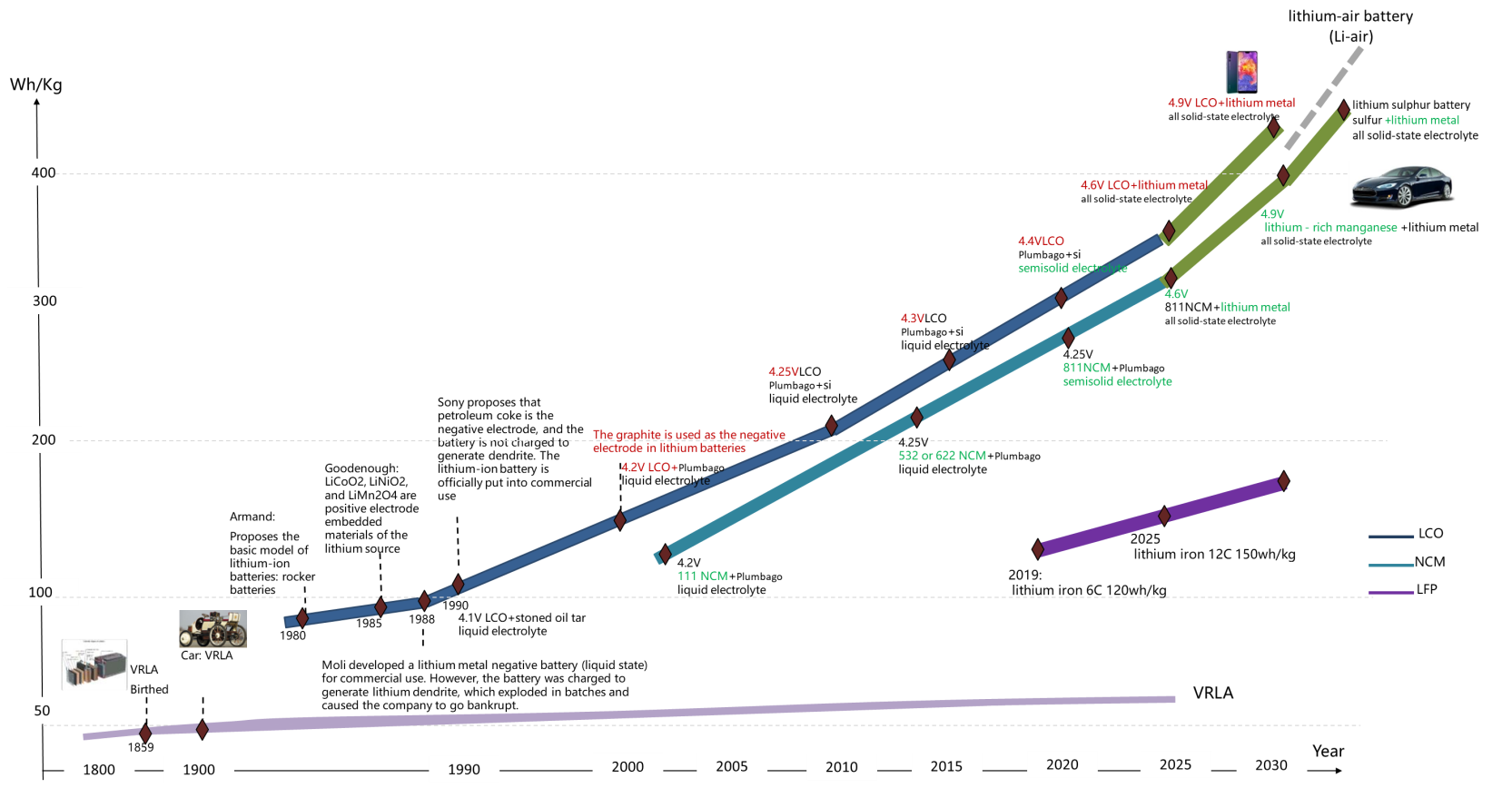
@cjd The drop in Lithium prices correlates with China digging up more Lithium.
Supply rose tremendously, so prices went down.
China's markets aren't exactly natural, and everything can go up in smoke if some bureaucrat decides it to be so.
It's a very precarious situation, and while our on-demand economy favors Lithium-ion now, I think a small upset, a rise in tariffs, or any such instability, threatens to collapse the market entirely.
Once the first phone manufacturer comes out with a Sodium-ion battery, it will be over.
No one wants to be dependent for their energy, least of all on China.
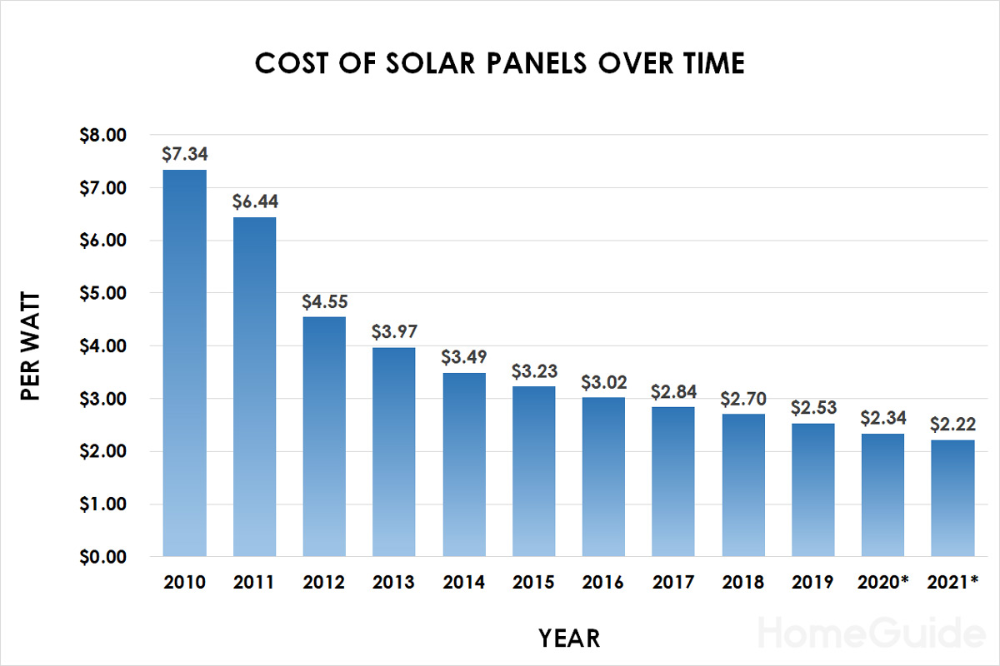
As for the solar panels, even if those prices are not adjusted for inflation, the trend is clearly slowing, and may reverse once the hype, and massive government astroturfing ends.
I think the grift is far deeper than anyone can imagine.
The old "Solar-freaking-roadways", is a tip of an iceberg of institutional, and international, corruption.
This is not price of lithium commodity, it's the price of battery capacity. As batteries become more dense, the price of capacity drops even if the price of lithium remains the same.
> China's markets aren't exactly natural
Oil is worse because a battery you buy once, oil you buy continuously as you use energy.
> No one wants to be dependent for their energy, least of all on China.
Everybody buys everything from China, basically nobody cares.
> As for the solar panels
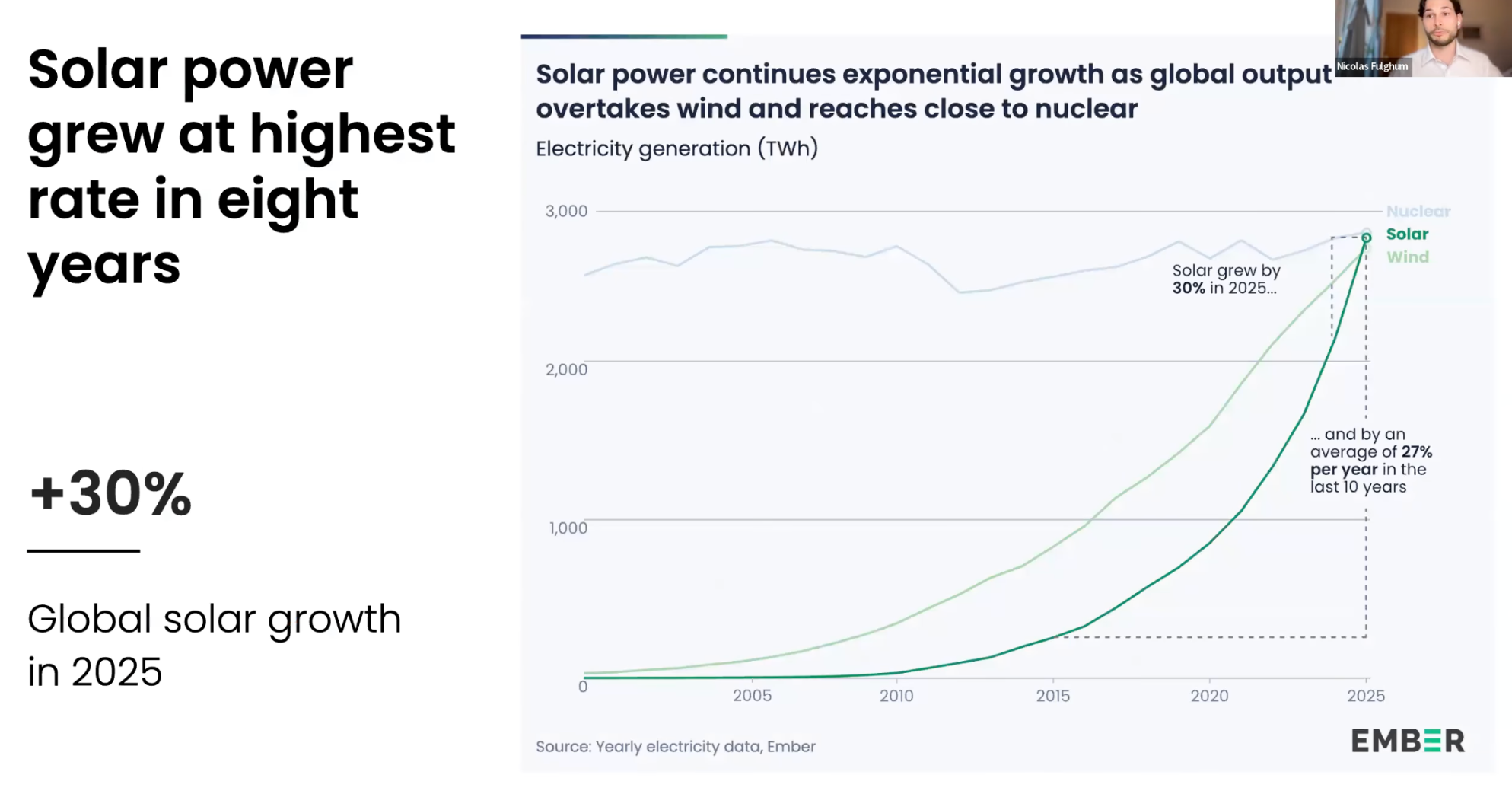
> the trend is clearly slowing
Pic related.
@cjd Oil isn't worse, but it's a long story.
> "Nobody cares"
I addressed this already.
You're right, they don't care, one way or another, and will divest at a drop of a hat.
But that's on most things, not energy, people care about energy more than you think.
> Pic related.
I've addressed this as well.
The graph is energy generation.
Meaning, it's showing the aforementioned astroturfing, nothing more.
Overlay government subsidies on that graph, and it will be the same graph.
It isn't worse if you're an oil producer, but for everyone whose not, it's a total shit deal.
> government subsidies
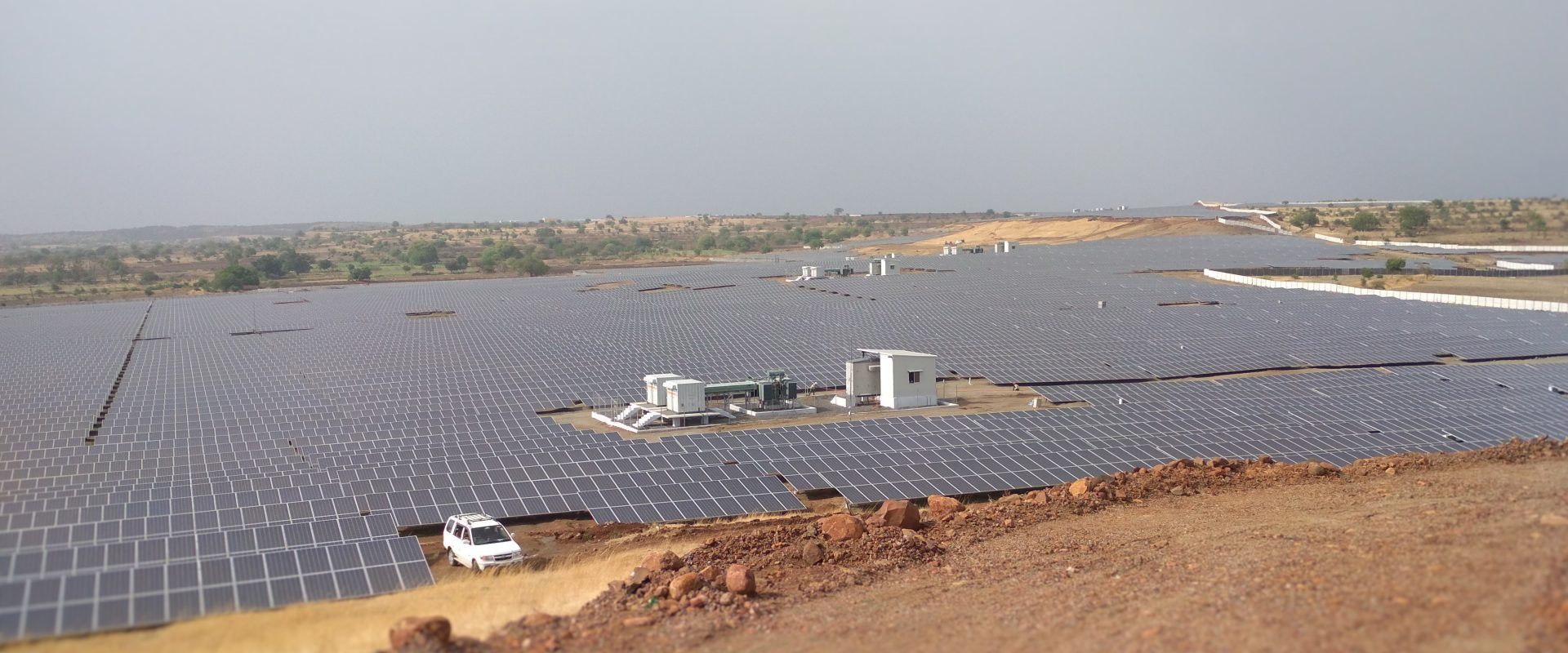
If you think the utility scale solar installations getting built in China and India are all because of hippie brainworms, IDK what to tell you...
@cjd I didn't say that, but if you're content fighting strawmen, be my guest.
@cjd A lot of it is just a grift, simple as.
Some "expert" says it's the future, some academic shows graphs like yours, bunch of bureaucrats stamp the papers because it's not their own money they're spending, etc...
It's a growing field, that much is true, so you can build a few solar farms and claim you have growth in another sector of your economy.
Politicians have an incentive to do that, while giving lucrative contracts to their friends and lobbists.
What's important is this: is the electricity generated paying for the initial investment?
Too early to say, but probably no.
On a small scale, yes, over the course of about 7~10 years.
Even with efficiency dropping over time, the older cells last about 2 decades.
It's not bad tech, certainly has its uses.
I wouldn't advocate for combustion engines on satellites for example.
On a larger scale, the problem is inconsistency in generation.
A private consumer can always draw from the grid when the batteries are out but the sun isn't.
A national grid doesn't have the luxury, as Texas and Spain found out.
Until this is resolved, all wind and solar needs to have equivalent backups available at all times.
The costs are far from transparent, so it's hard to calculate.
Subsidies come in many forms, cheaper land, direct subsidies, buying "green electricity" for higher than the regular rate, 0% interest forgivable loans, etc...
Could I be wrong?
Absolutely, I hope so.
But as far as I'm concerned, being the jaded cynic I have become, there's only one reason to keep it so opaque:
Solar power is not even close to paying for itself.
@cjd The problem is scale and redundancy.
The math just isn't the same.
I don't know the math on batteries, but no one seems to be doing that.
I think the issue is discharge rates, and subsequent overheating, but I'll need to look into it more sometime.
I know a bit more about solar though.
For starters, cells lose efficiency with temperature, so on summer months you might want to have those panels well above the ground, or employ water cooling.
Panels are designed to work best at roughly 25°C and on hot days they can reach over 65°C, leading to a 10-25% drop in efficiency.
Transporting the power comes with losses, so you want a power plant near your major cities, but taking up lots of real-estate near a city is costly too, which is another consideration that private consumers don't have.
Finally, the redundancy.
You need to have turbines ready.
Which means warm at least (preheated), if not idling.
So you pay extra for the installation, but then you still have to keep the turbine on top of hiring more technicians to maintain the solar cells.
I think it's a hard sell for most power plants.
@cjd You think India is less corrupt than the US?
The people who have deception and scamming as an integral part of their culture?
Are you serious?
In India (I imagine) they want to steal the money, they pocket it and call it a day.
In the US, they have this entire fanfic series around alternative energy and climate and making people feel good, and it's all very wasteful - in that a lot of money goes to places other than the politician's pocket, but the US is SO RICH that it's possible to get away with that type of thing...
@cjd The terms are political theater, and political capital.
Of course those are a thing in India as well.
Even dictators do it, that's just how politics works.
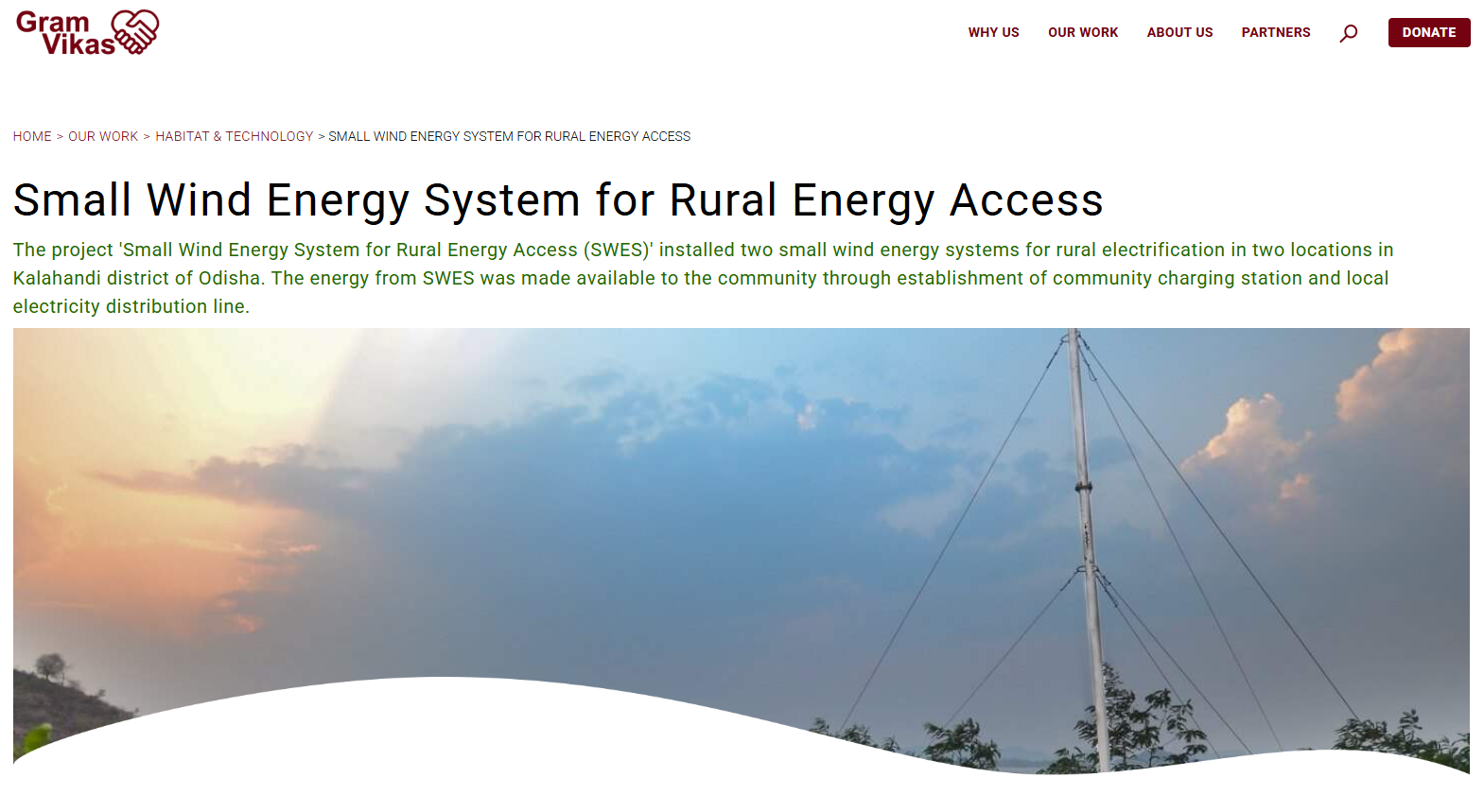
Here's just a couple of the prominent environmental NGOs I found from searching for a few minutes.
The second one has a neat little "funding" page, and who's there?
Feminists, corporations, and government agencies.
Same old song and dance.
Look man, I didn't want to say it, because maybe I'm the one who's too cynical these days, but I think you might actually be naïve.


Now for every watt installed, you get about 1000 watt-hours per year (France). In Africa you get 2000 watt-hours per year.
So math: If on average you're paying in 5 cents a watt, and your power cost (during sunny hours) is 5 cents per kwh, it takes a year to pay itself back. That is insanely good...
Now maybe power is worthless in the day, but it's worth something at night... Battery storage is about $50/Kwh. If you're time-shifting by one day, you need to store 1/365 of that 1000 watt-hours you're generating in the year so you can release it at night. So you need another 13 cents of batteries.
5 cents of panels + 13 cents of batteries to make power that is available any time day or night, as long as sun WAS available in that 24 hour period.
You do still need coal or natural gas for long cloudy periods, but if you're a grid operator, you'd be insane not to throw some panels in the mix to reduce your fuel burn during summer months. This is the logic by which India and China are building solar.