Coded Artist @coded_artist@gameliberty.club
- High Skill
- Coding, Godot
- Low Skill
- Drawing, Memes
- Best
- To destroy your enemies, to have them driven before you, and to hear the lamnations of their women.
- Worst
- Python
I draw, code, and make memes sometimes.
Joined Mar 2019
Coded Artist
boosted

Coded Artist
boosted
Coded Artist
boosted


 🌲
🌲


Coded Artist
boosted

Coded Artist
boosted


Coded Artist
boosted

Coded Artist
boosted

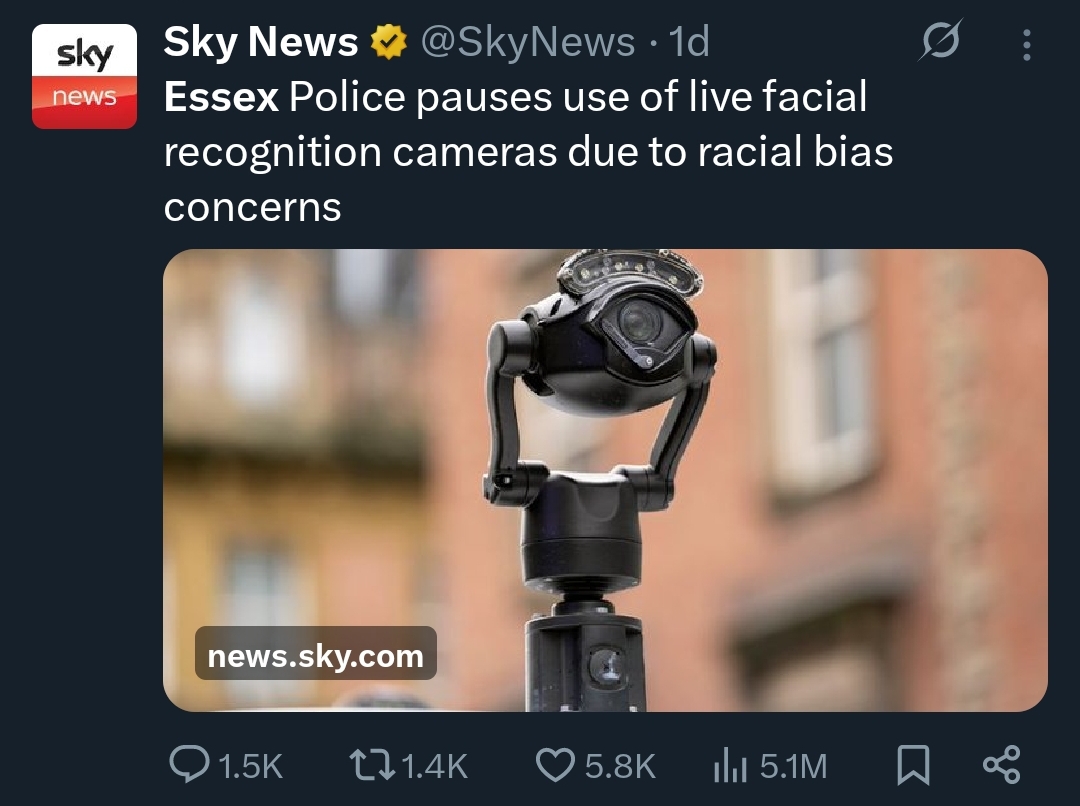
>sir, with advancements in AI we have finally developed facial recognition technology that can tell black people and gorillas apart
>wonderful, has it improved our racial metrics?
>ummmmmm well gorilla crime is down
>wonderful, has it improved our racial metrics?
>ummmmmm well gorilla crime is down
Coded Artist
boosted
Coded Artist
boosted
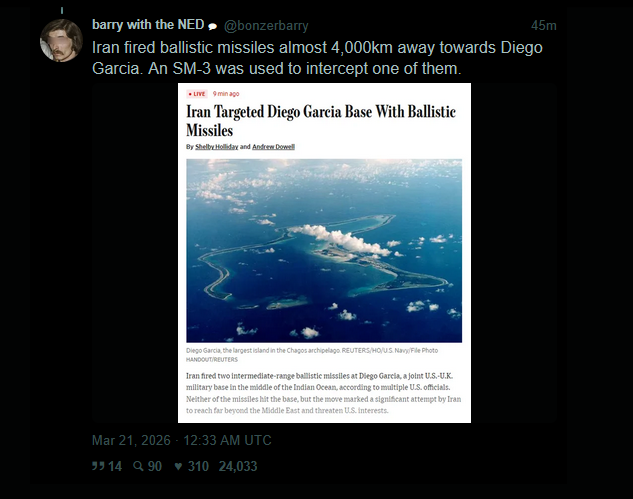
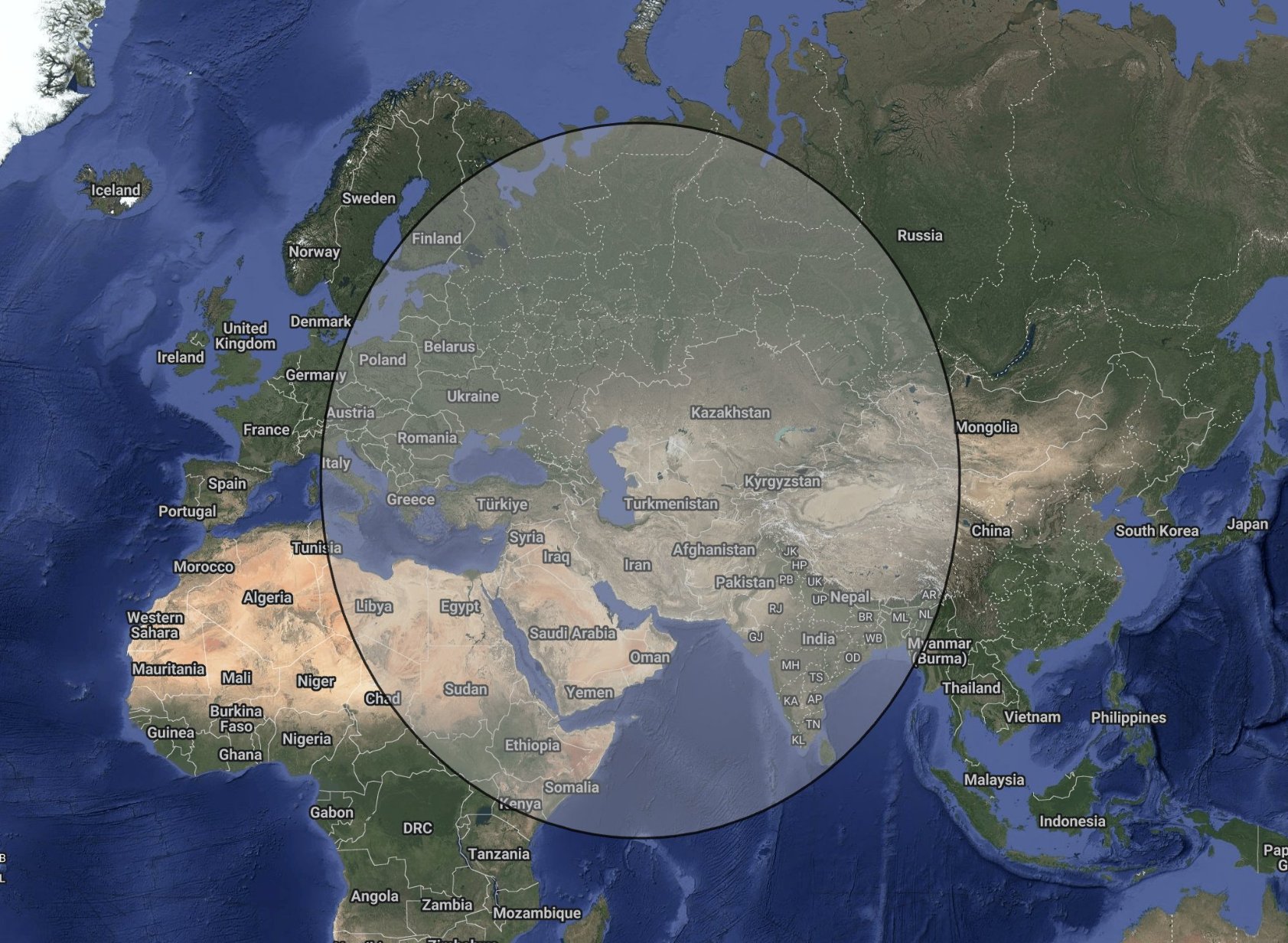
Iran fired a ballistic missile 4,000 kilometers away towards Diego Garcia. It was shot down but this means Iranian missiles have a range of 2,500 miles (4,000 kilometers)

Coded Artist
boosted

Coded Artist
boosted



i get my life inspiration and advice from gay porn movies and actors
Coded Artist
boosted

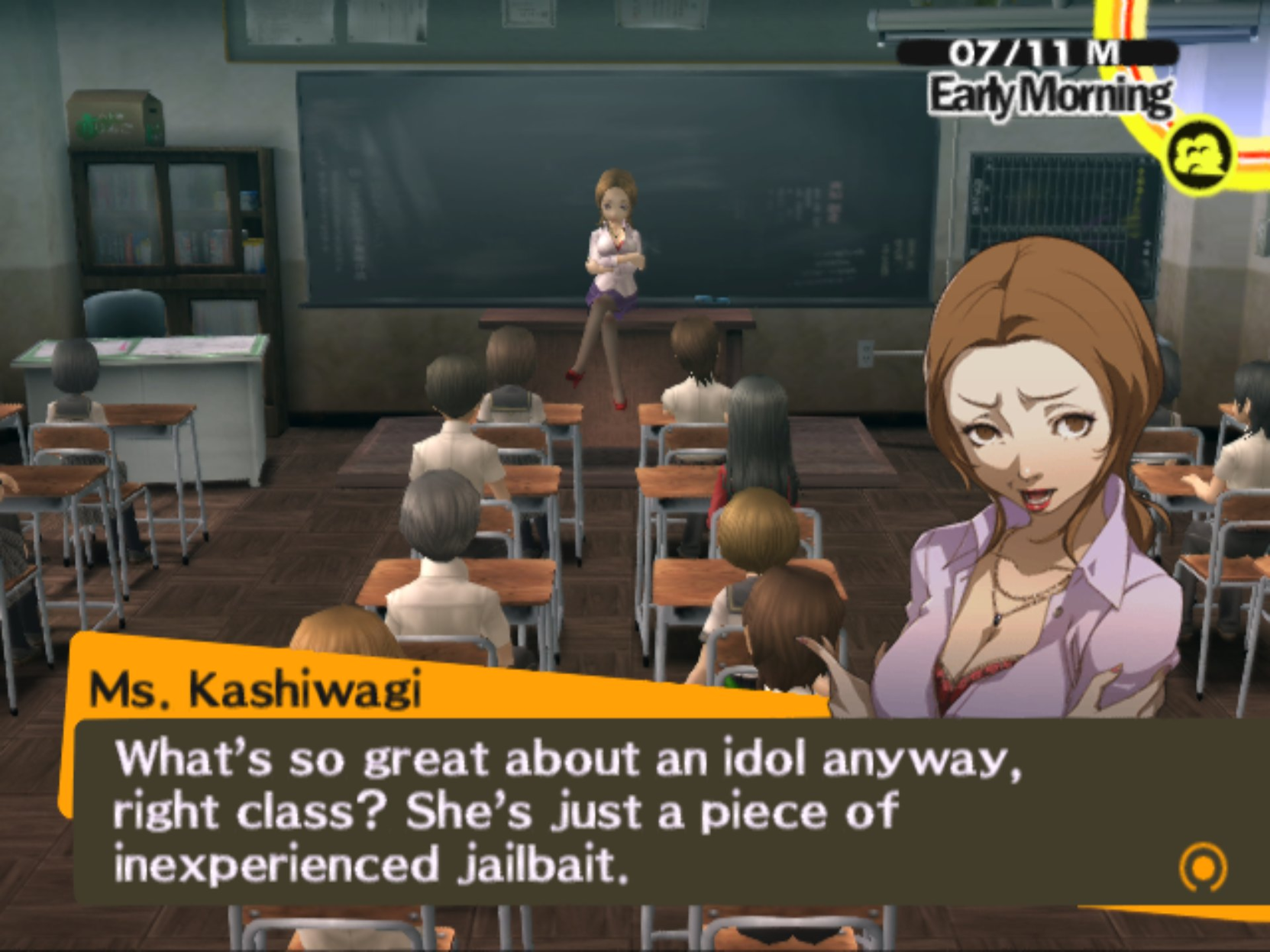
i forgot p4 has an absolute bitch of a teacher who reminds you that Rise is indeed best girl
Coded Artist
boosted









Coded Artist
boosted

- High Skill
- Coding, Godot
- Low Skill
- Drawing, Memes
- Best
- To destroy your enemies, to have them driven before you, and to hear the lamnations of their women.
- Worst
- Python
I draw, code, and make memes sometimes.
Joined Mar 2019