LukeAlmighty 🇨🇿 @LukeAlmighty@gameliberty.club
- This account is satire
- None of it is serious
- This is a satire account
- It's satine
- Fetish 3
- Yandere
- Fetish 2
- Dress shirts
- Fetish 1
- Muscular girls
- Fetish 4
- Women
>>>Satire account<<<
Fascism:
When you don't let people abuse your kids.
LukeAlmighty DO NOT have any pronouns. You can only refer to LukeAlmighty by LukeAlmighty's name. Please, be tolerant of this.
 Please be patient, LukeAlmighty have autism
Never forget #metoo
🇨🇿
I you are in Czech republic, DM me, I'll be happy to grab a beer with you
>>>Satire account<<<
Joined Jul 2019
LukeAlmighty 🇨🇿
boosted

NSFW Rant
@LukeAlmighty @loliwanna for reference, I wrote a prompt about an "extremely racist forum user who goes by the username basedSchizo" and here's a small part of what it put out
Someone:
Plays loud shit next to me.
Me: Can you PLEASE turn it down a bit
They: But you had headphones on...
How fucking hard is it to understand how do headphones work??? 



LukeAlmighty 🇨🇿
boosted
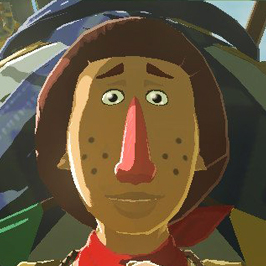
Part of why I hate modern climate change discourse is crap like this.
For context, the "Green New Deal" is only around 10% environmental regulations, with the other 90% being progressive economic stuff, racial justice stuff, and other things unrelated to climate change.
And then they have the audacity to act like opposition to the Green New Deal means you're opposed to fighting climate change. Just really disingenuous stuff.
For context, the "Green New Deal" is only around 10% environmental regulations, with the other 90% being progressive economic stuff, racial justice stuff, and other things unrelated to climate change.
And then they have the audacity to act like opposition to the Green New Deal means you're opposed to fighting climate change. Just really disingenuous stuff.

LukeAlmighty 🇨🇿
boosted




LukeAlmighty 🇨🇿
boosted

LukeAlmighty 🇨🇿
boosted


lolbergs love this, in the end they use private property to do the thing the state was unwilling or unable to do 
LukeAlmighty 🇨🇿
boosted
> african science man says 'people hate spending money on research'
this pay off is HUGE
this pay off is HUGE
Why am I doing this to myself... Going to reddit for 10 minutes bombards me with more stupidity then an year on university.

LukeAlmighty 🇨🇿
boosted

LukeAlmighty 🇨🇿
boosted

LukeAlmighty 🇨🇿
boosted
@Remington @Samhydeigger @Glowberg_Fedstein @Insomnolant @LukeAlmighty @Umlauts
A lot of this has to do with the sudden shock importation of liberalism into East Asian countries during the Cold War. While the West, or at least Europe, saw the slow rise liberal capitalism giving it both an opportunity to develop counter narratives (Various Catholic social teachings, Prussian socialism) culminating in the various fascist ideologies and witness some reversals to liberalism itself, such as the defeat of the 1848 revolutions and its collapse following the First World War in various Eastern European states, Asia has had no real theoretical for dealing with it before it was dumped on them, fully formed, in its most powerful state, and backed by the worlds leading superpower.
Thus while the West has always had some stumbling blocks that have necessitated various compromises such as social democracy or social partnership arrangements and the like that have, if not really slowed Liberalism then at least forced it to take certain uncomfortable measures that undermined its own perceived universality.
In East Asia however there really isn't anything to stop liberalism as a totality:
Previous Government forms? All essentially outdated feudal forms that cannot oppose materialist philosophy (Remember in West Napoleon, the great liberal slayer of antiquated regimes, was in the end defeated)
Religions? A unfortunate mixture of weak social teachings coupled weak and disunited presence (Throne and Altar being a significant torn in the side of liberalism in the West).
Forging your own path? Only Japan managed it and their defeat put an end to it.
Basically what I'm saying is that in the West we have a sort spiritual memory of liberalism as small belief, outside the mainstream political discourse really confined to a selection of intellectuals that grew into what it is today. This means we understand liberalism as a thing which can be subject to changes or errors. In effect we understand it can be wrong and we can offer some resistance to it.
In the East it has always been one of the two dominant ideological systems (the other being Marxist Communism) that can be chosen in order to advance into modernity. There can be no change or interruption to it, because it isn't something that is malleable in that way. It simply washes over them.
A lot of this has to do with the sudden shock importation of liberalism into East Asian countries during the Cold War. While the West, or at least Europe, saw the slow rise liberal capitalism giving it both an opportunity to develop counter narratives (Various Catholic social teachings, Prussian socialism) culminating in the various fascist ideologies and witness some reversals to liberalism itself, such as the defeat of the 1848 revolutions and its collapse following the First World War in various Eastern European states, Asia has had no real theoretical for dealing with it before it was dumped on them, fully formed, in its most powerful state, and backed by the worlds leading superpower.
Thus while the West has always had some stumbling blocks that have necessitated various compromises such as social democracy or social partnership arrangements and the like that have, if not really slowed Liberalism then at least forced it to take certain uncomfortable measures that undermined its own perceived universality.
In East Asia however there really isn't anything to stop liberalism as a totality:
Previous Government forms? All essentially outdated feudal forms that cannot oppose materialist philosophy (Remember in West Napoleon, the great liberal slayer of antiquated regimes, was in the end defeated)
Religions? A unfortunate mixture of weak social teachings coupled weak and disunited presence (Throne and Altar being a significant torn in the side of liberalism in the West).
Forging your own path? Only Japan managed it and their defeat put an end to it.
Basically what I'm saying is that in the West we have a sort spiritual memory of liberalism as small belief, outside the mainstream political discourse really confined to a selection of intellectuals that grew into what it is today. This means we understand liberalism as a thing which can be subject to changes or errors. In effect we understand it can be wrong and we can offer some resistance to it.
In the East it has always been one of the two dominant ideological systems (the other being Marxist Communism) that can be chosen in order to advance into modernity. There can be no change or interruption to it, because it isn't something that is malleable in that way. It simply washes over them.
LukeAlmighty 🇨🇿
boosted

The marketing even comparing it to new Vegas is insulting. New Vegas had a morally grey, unbiased ending where you could choose three diverse ideologies and based on your actions and karma level make the best or worst of those ideologues once implemented.
The ending of Outer worlds is either
Good ending: Establish neo-liberalism with a ruling elite class of scientists and Doctors.
Or bad ending: The corporations cause a famine, everyone dies.










- This account is satire
- None of it is serious
- This is a satire account
- It's satine
- Fetish 3
- Yandere
- Fetish 2
- Dress shirts
- Fetish 1
- Muscular girls
- Fetish 4
- Women
>>>Satire account<<<
Fascism:
When you don't let people abuse your kids.
LukeAlmighty DO NOT have any pronouns. You can only refer to LukeAlmighty by LukeAlmighty's name. Please, be tolerant of this.
Please be patient, LukeAlmighty have autism
Never forget #metoo
🇨🇿
I you are in Czech republic, DM me, I'll be happy to grab a beer with you
>>>Satire account<<<
Joined Jul 2019