
Coded Artist @coded_artist@gameliberty.club
- High Skill
- Coding, Godot
- Low Skill
- Drawing, Memes
- Best
- To destroy your enemies, to have them driven before you, and to hear the lamnations of their women.
- Worst
- Python
I draw, code, and make memes sometimes.
Joined Mar 2019
Coded Artist
boosted

Coded Artist
boosted

Coded Artist
boosted

@cjd The problem is scale and redundancy.
The math just isn't the same.
I don't know the math on batteries, but no one seems to be doing that.
I think the issue is discharge rates, and subsequent overheating, but I'll need to look into it more sometime.
I know a bit more about solar though.
For starters, cells lose efficiency with temperature, so on summer months you might want to have those panels well above the ground, or employ water cooling.
Panels are designed to work best at roughly 25°C and on hot days they can reach over 65°C, leading to a 10-25% drop in efficiency.
Transporting the power comes with losses, so you want a power plant near your major cities, but taking up lots of real-estate near a city is costly too, which is another consideration that private consumers don't have.
Finally, the redundancy.
You need to have turbines ready.
Which means warm at least (preheated), if not idling.
So you pay extra for the installation, but then you still have to keep the turbine on top of hiring more technicians to maintain the solar cells.
I think it's a hard sell for most power plants.
Coded Artist
boosted


 🌲
🌲
Coded Artist
boosted

Coded Artist
boosted

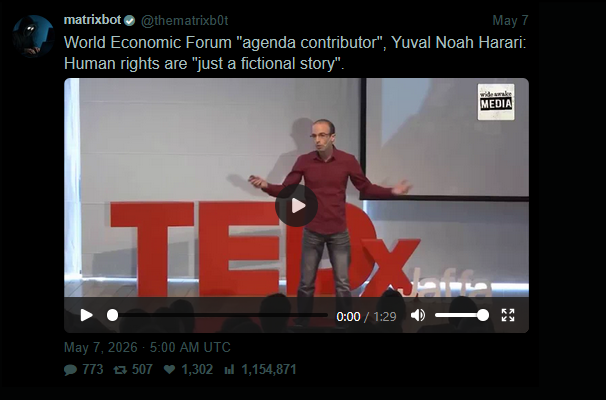
Well, then
I guess we're getting a little bent out of shape about the holocaust then, right?
right?
https://nitter.poast.org/thematrixb0t/status/205225214...
I guess we're getting a little bent out of shape about the holocaust then, right?
right?
https://nitter.poast.org/thematrixb0t/status/205225214...
Coded Artist
boosted

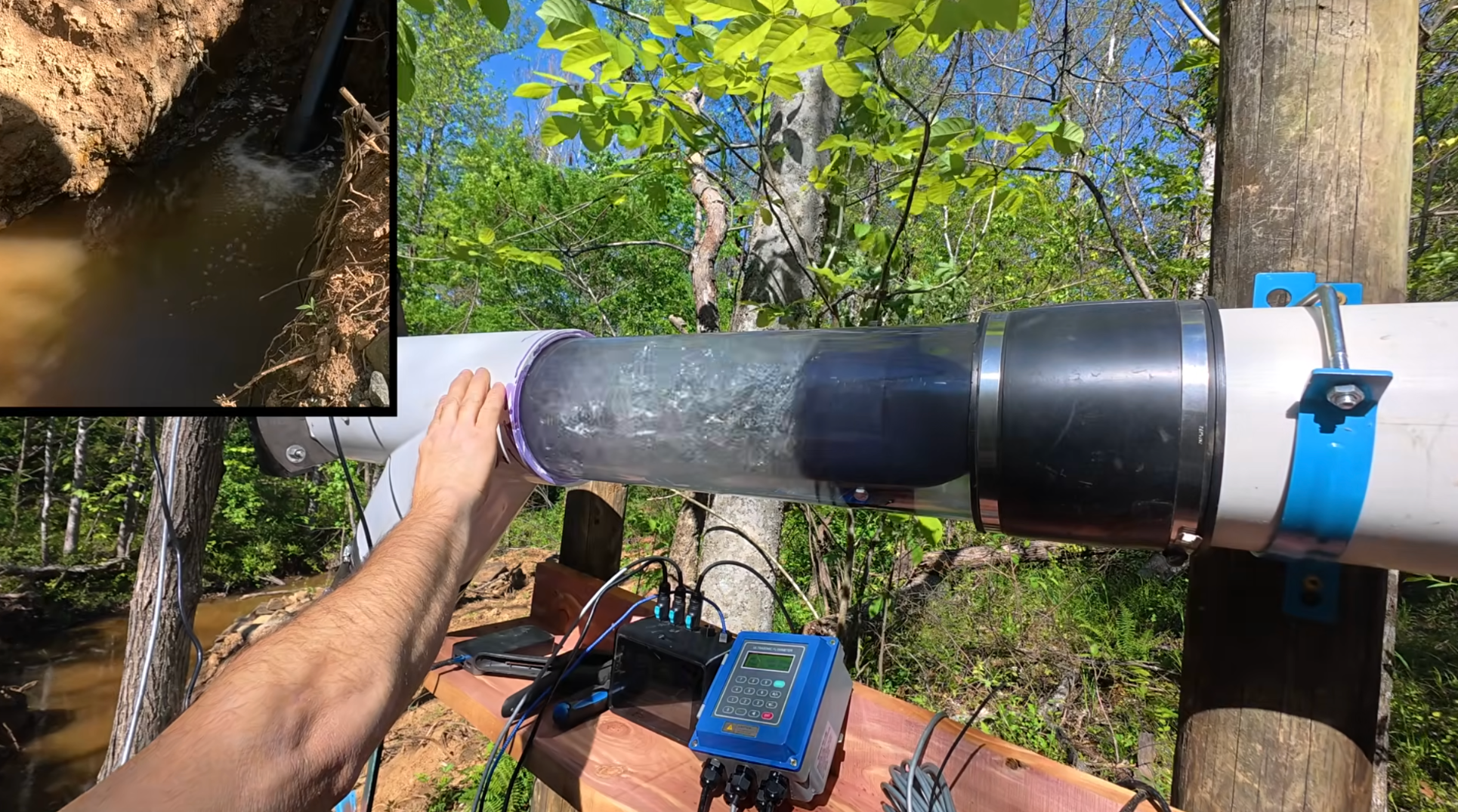
Anyone else watching the FramCraft hydroelectric build project on YT?
He just hit 1200 watts with his newest turbine design.
He just hit 1200 watts with his newest turbine design.
Coded Artist
boosted
@cjd A lot of it is just a grift, simple as.
Some "expert" says it's the future, some academic shows graphs like yours, bunch of bureaucrats stamp the papers because it's not their own money they're spending, etc...
It's a growing field, that much is true, so you can build a few solar farms and claim you have growth in another sector of your economy.
Politicians have an incentive to do that, while giving lucrative contracts to their friends and lobbists.
What's important is this: is the electricity generated paying for the initial investment?
Too early to say, but probably no.
On a small scale, yes, over the course of about 7~10 years.
Even with efficiency dropping over time, the older cells last about 2 decades.
It's not bad tech, certainly has its uses.
I wouldn't advocate for combustion engines on satellites for example.
On a larger scale, the problem is inconsistency in generation.
A private consumer can always draw from the grid when the batteries are out but the sun isn't.
A national grid doesn't have the luxury, as Texas and Spain found out.
Until this is resolved, all wind and solar needs to have equivalent backups available at all times.
The costs are far from transparent, so it's hard to calculate.
Subsidies come in many forms, cheaper land, direct subsidies, buying "green electricity" for higher than the regular rate, 0% interest forgivable loans, etc...
Could I be wrong?
Absolutely, I hope so.
But as far as I'm concerned, being the jaded cynic I have become, there's only one reason to keep it so opaque:
Solar power is not even close to paying for itself.
Coded Artist
boosted
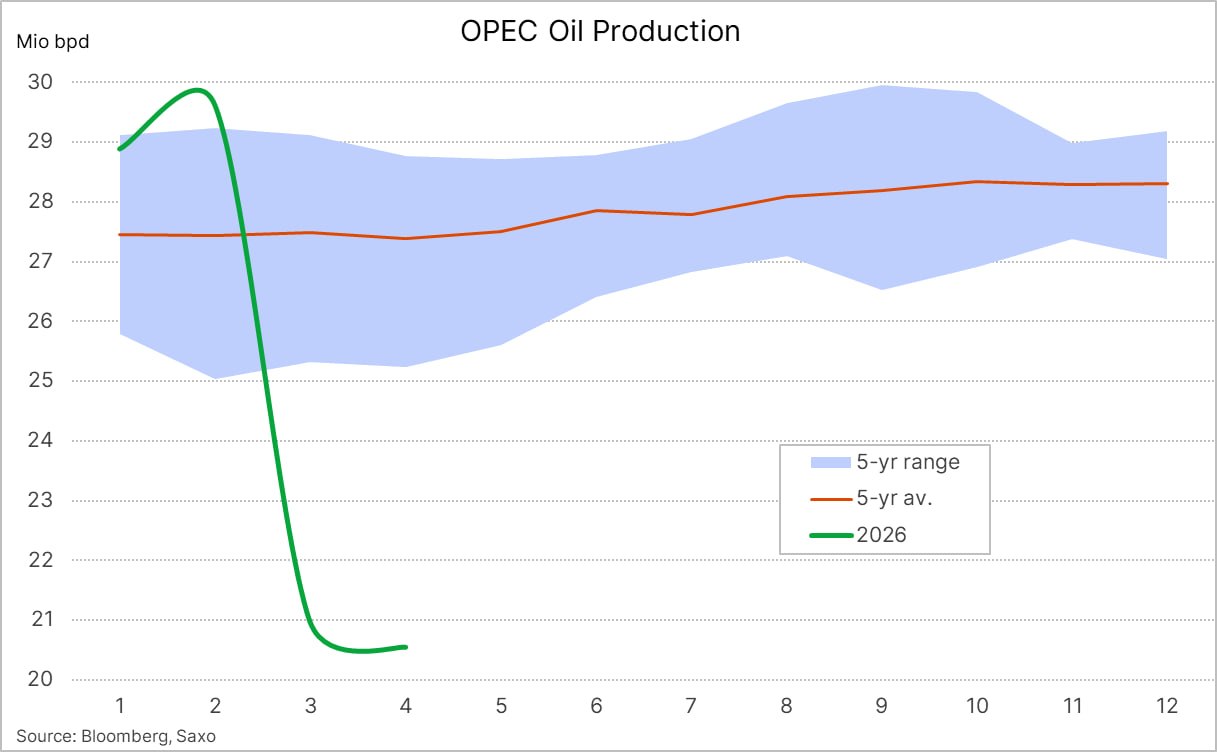
OPEC production has collapsed from a 3½-year high of around 29.6 million b/d to a 36-year low of 20.6 million b/d in just two months.
Several “release valves” have so far helped cushion the shock, most notably a surge in U.S. exports, a massive IEA-coordinated SPR release, China’s import constraints and pause in stockpiling, and - not least - demand destruction that has led to lower refinery runs.
Several “release valves” have so far helped cushion the shock, most notably a surge in U.S. exports, a massive IEA-coordinated SPR release, China’s import constraints and pause in stockpiling, and - not least - demand destruction that has led to lower refinery runs.
Coded Artist
boosted

Coded Artist
boosted
Motorslice knows it's target audience
Coded Artist
boosted

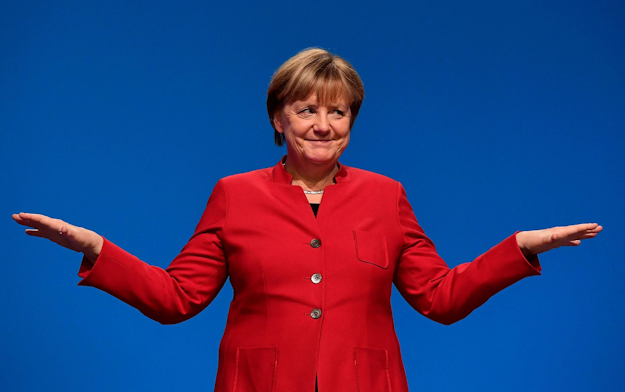
@Chzikken_1486 Can't believe they aren't crediting the OG.
Merkel walked so these bitches could run.
Coded Artist
boosted

Coded Artist
boosted


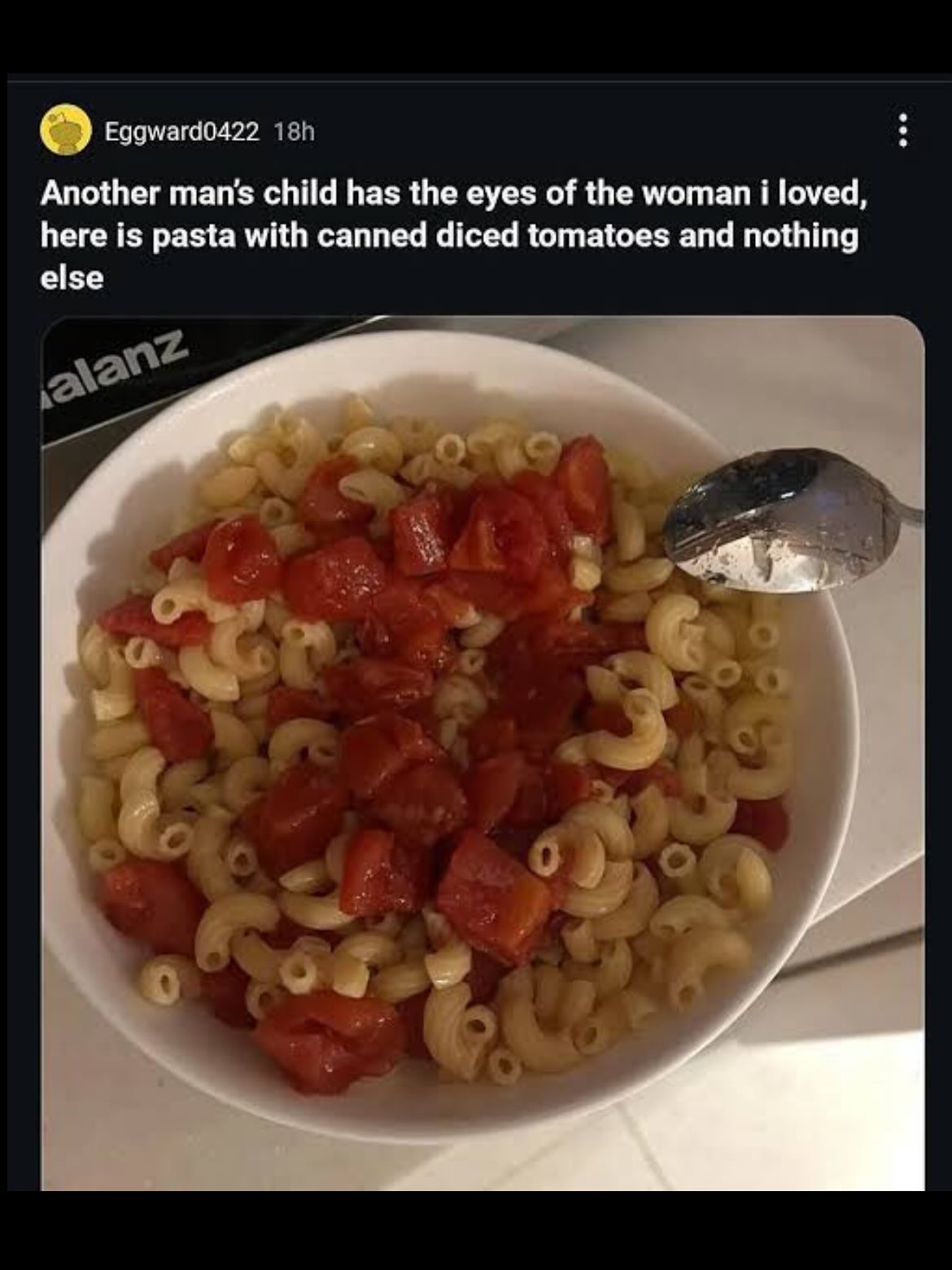











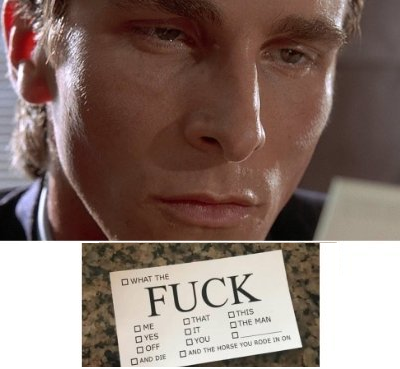
You disagreed with my take? Have you ever thought for a second that means I have free reign to accuse you of pleasuring Jewish men with your mouth?
- High Skill
- Coding, Godot
- Low Skill
- Drawing, Memes
- Best
- To destroy your enemies, to have them driven before you, and to hear the lamnations of their women.
- Worst
- Python
I draw, code, and make memes sometimes.
Joined Mar 2019