
xianc78 @xianc78@gameliberty.club
- Sex
- Male
- Primary OS
- Linux Mint
- Programming Languages
- C/++/#, Python, Java, JavaScript, PHP, SQL, Assembly
- Ioncom Official Site
- http://ioncom.helioho.st/
Joined Jun 2020
@coolboymew @sjw@neckbeard.xyz Especially given that Youtube constantly changes their APIs to prevent people from using programs and services like this.
I always find it ironic that before YouTube, Google Video allowed you to download their videos with their own official client. Granted, that was before monetized content was a thing, but still.
@coolboymew @NeikoCat @kaikatsu I'm borderline Gen-Z and I still can't find a practical reason to use those apps. I'm one of the few in my generation who is anti-smartphone (I still own one though; I just don't like the culture that has been created around it).
@kaikatsu @NeikoCat @coolboymew There's still the geeky girls out there who still don't use those apps (at least not as frequently as the more popular girls) and are probably willing to just use your phone number.
@sjw@neckbeard.xyz Proof that Quantum Computing won't spell doom to security.
@judgedread This is why we need to stop using ICANN domains and start using alternatives like OpenNIC and Namecoin (preferably the latter since it's P2P).
@mewmew I think most privacy conscious people already know. I just wish Linux distributions would stop including Firefox as the default browser and use Palemoon or Ungoogled Chromium instead.
xianc78
boosted


btw here's a reminder about Mozilla: https://hacktivis.me/articles/Mozilla%20is%20Broken
@coolboymew @mewmew @rok0 That's assuming if you actually use it on your lap. I actually see most people using laptops on a table, but that's probably because I don't use public transportation where that isn't an option.
@coolboymew @mewmew @rok0 Semi-rugged laptops exist and are much cheaper.

@coolboymew @mewmew @rok0 Get a rugged laptop.
@EchoSierraTwo @sjw@neckbeard.xyz Maybe it's different now that Richard Spencer endorses Biden.
@nik Is mps-youtube still a thing? We can use that instead.
xianc78
boosted

wtf youtube-dl got DMCA'd by the recording industry
https://github.com/github/dmca/blob/master/2020/10/2020-10-23-RIAA.md
https://github.com/ytdl-org/youtube-dl
https://github.com/github/dmca/blob/master/2020/10/2020-10-23-RIAA.md
https://github.com/ytdl-org/youtube-dl
@coolboymew @weeb Don't forget Newgrounds, edgy IRC channels, shock-sites, etc.
xianc78
boosted

Those aims mean that the DSA touches on several of the most contentious issues in the online world, such as the introduction of mandatory pan-European rules for tackling online hate speech and disinformation, and efforts to control platforms that are "gatekeepers" -- basically US companies like Google and Facebook. In other words, the DSA is going to be important, and not just for the EU. One of the key players in the drafting of the DSA is the European Parliament. The good news is that in a series of votes MEPs have made clear that they want protection for key human rights to be an integral part of the new law. The votes concerned reports from three of the Parliament's specialist committees: those for the Internal Market and Consumer Protection, Legal Affairs, and Civil Liberties (pdf). The three reports are couched in a rather impenetrable EU-speak; fortunately, the European Parliament has put out a press release on the votes that provides a more comprehensible summary of the three reports. The European Parliament is quite open about what the EU hopes to achieve with the DSA: "With the upcoming package, the European Union aims to shape the digital economy at EU level as well as setting the standards for the rest of the world, as it did with data protection." One of the priorities of the DSA is tackling illegal content online. On this, MEPs say:
Oh boy! The EU is going to shrek the internet.
As EU Starts To Draft Its Most Important New Online Law, The Digital Services Act, MEPs Want Basic Rights High On The Agenda
xianc78
boosted




we support lgbt rights. we want to fuck everyone over, regardless of who they love or their gender identity. please clap
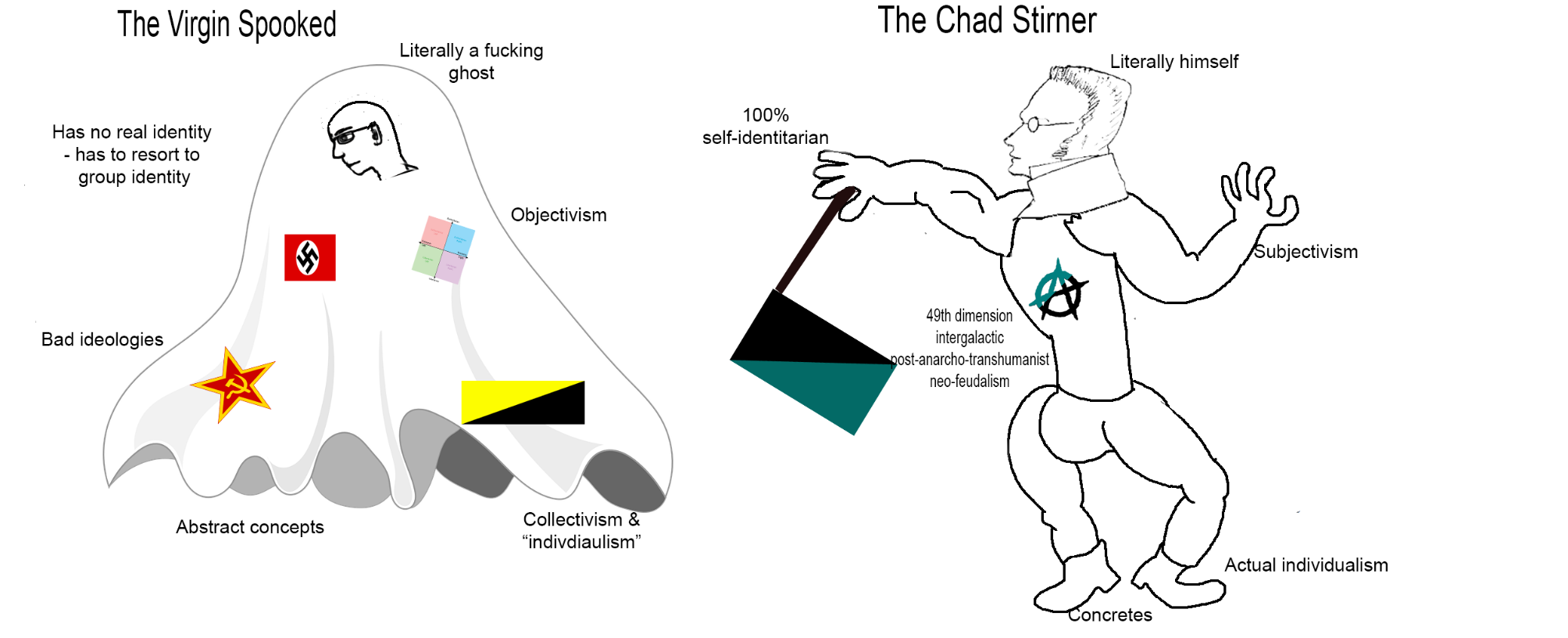
@matrix Those are all spooks including the centrist. Make way for the real Chad.
@coolboymew @orekix @sathariel And now I am realizing that you need good hand writing to write in kana. This is going to be hard.
- Sex
- Male
- Primary OS
- Linux Mint
- Programming Languages
- C/++/#, Python, Java, JavaScript, PHP, SQL, Assembly
- Ioncom Official Site
- http://ioncom.helioho.st/
Joined Jun 2020