
xianc78 @xianc78@gameliberty.club
- Sex
- Male
- Primary OS
- Linux Mint
- Programming Languages
- C/++/#, Python, Java, JavaScript, PHP, SQL, Assembly
- Ioncom Official Site
- http://ioncom.helioho.st/
Joined Jun 2020
xianc78
boosted
JavaScript is insane.
xianc78
boosted

Decentralized systems can prosper, but a centrally-run society or network can be easier, less expensive, and simpler to understand. We centralize power to help others, fix problems; out of fear, or out of greed. It’s often easier to centralize; hard to walk it back.
Once power is centralized, the few who remain who can change society rarely choose to give away their status by diluting it. Once the walls are built, the doors are locked fast. The center holds.
xianc78
boosted
As Rohit Khare defined it, “A decentralized system is one which requires multiple parties to make their own independent decisions.” Good for network routing; good for a free and open society. Decentralization is a technical choice with social effects.
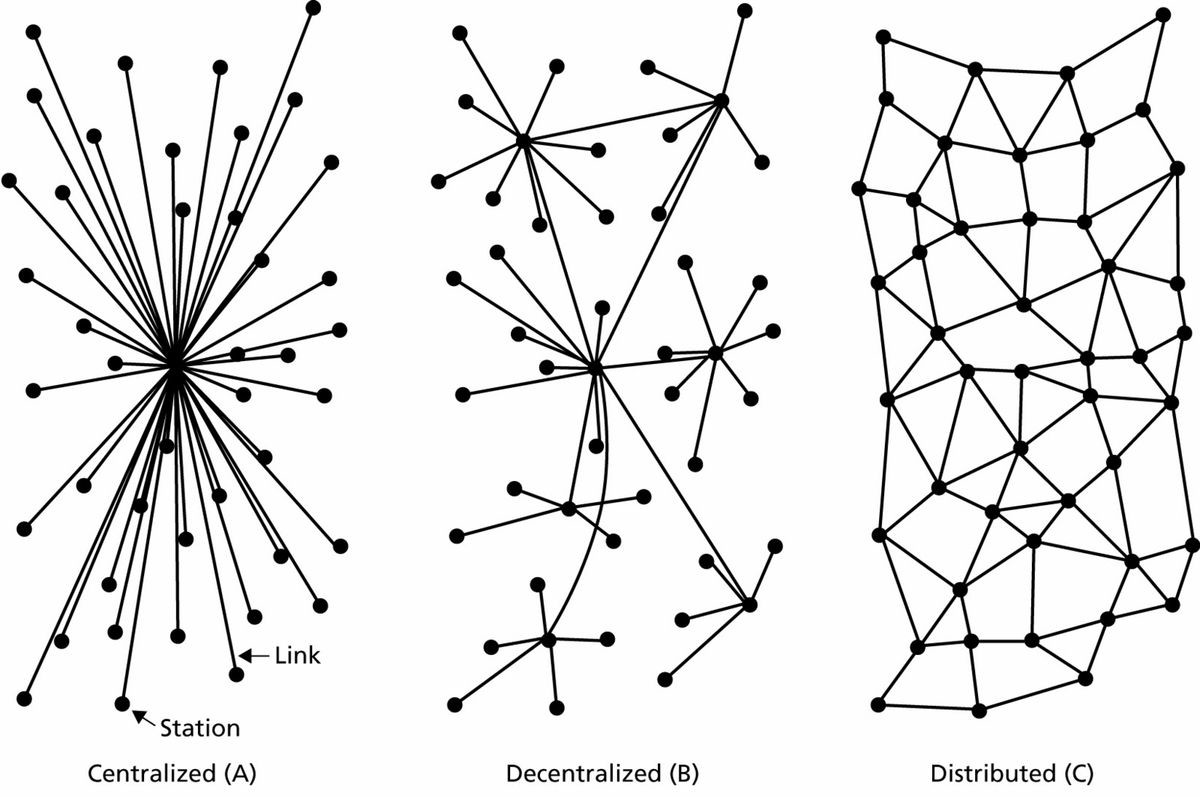
Paul Baran, whose famous diagram is below, injected a decentralized vision into the internet at its birth. Decentralization made the net resilient, independent; antifragile, rhizomatic. Whatever you call it, it worked. For a while.
xianc78
boosted
My work at the Filecoin Foundation will concentrate on stewarding the governance of the Filecoin ecosystem, funding critical projects around it and advocating for the future of Filecoin and its stack of decentralizing tools: IPFS, libp2p, etc.
I’ll also be building out the FFDW, our charitable wing, whose activities include preserving and distributing the world’s knowledge, supporting the dweb community, funding related R&D, and educating the public about the benefits of a redecentralized net.
xianc78
boosted
News! I’m joining the Filecoin Foundation, and the Filecoin Foundation for the Decentralized Web @ffdweb! There I’ll be helping the technologists, archivists and teachers building the #dweb. We aim to restore the net’s superpower: distributing knowledge and autonomy to all. https://www.ffdweb.com/ https://www.fil.org/
xianc78
boosted

The mystery shot is a failure ,but the goons that are still pushing it will never admit it. It’s like that time you got drunk and banged that ugly whale and all your friends know it ,but you act like you banged a supermodel…
34A82A45-308D-498C-ACBB-3E165C6F147C.jpeg
34A82A45-308D-498C-ACBB-3E165C6F147C.jpeg
xianc78
boosted
Lol yeah people aren’t going to give a shit just look at America. Again, cases mean very little hospitalization is all that should matter at this stage. We’ve moved well beyond the containment phase this will be omnipresent for the foreseeable future…
27202E84-F102-417D-9759-1B18AAB4768B.jpeg
27202E84-F102-417D-9759-1B18AAB4768B.jpeg
xianc78
boosted
If we stopped testing the pandemic would end. Focus only on the hospitalizations. I’m willing to bet that once they develop a test (if big pharma let’s it happen) that shows whether for not people had the rona at some point and never knew the numbers would be staggering ,but here we are on the verge of more lockdowns because a bunch of double jabbed boomers are getting sick again. This time we should just let them die…


xianc78
boosted
These people are insane. Soon they will be calling for us to be executed…
C6FEA30A-C6EA-4073-8B32-68984DD43DEA.jpeg
C6FEA30A-C6EA-4073-8B32-68984DD43DEA.jpeg
xianc78
boosted
xianc78
boosted


saw the white nationalist flag in #Hollywood today. this is so disgusting that racism is acceptable in today's America. #stopracism
xianc78
boosted

@Jdogg247 this was posted in another thread. Similiar headline from similar time period https://www.dailykos.com/stories/2020/9/5/1975309/-Kamala-Harris-wouldn-t-trust-a-Trump-vaccine-and-neither-should-anyone-else



xianc78
boosted






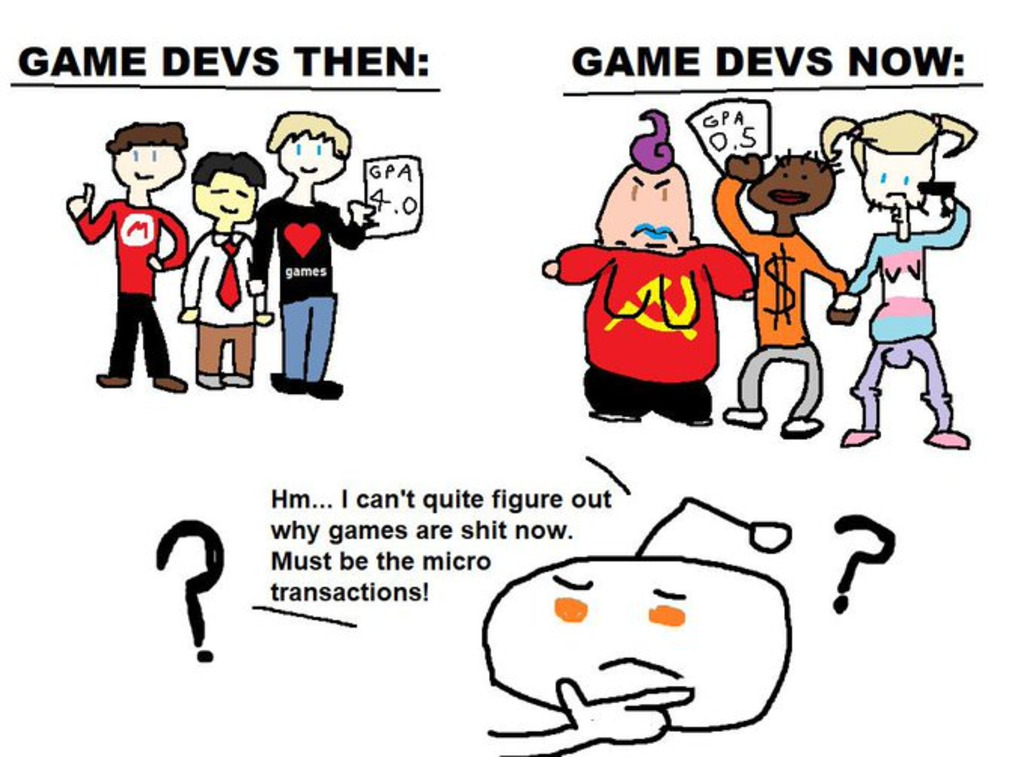

@foofighter8291 ah yes, so safe. I’m so glad the big pharma companies figured out how to hire nine women and make a baby in a month.
- Sex
- Male
- Primary OS
- Linux Mint
- Programming Languages
- C/++/#, Python, Java, JavaScript, PHP, SQL, Assembly
- Ioncom Official Site
- http://ioncom.helioho.st/
Joined Jun 2020